
Seminar Review | With Over 7,000 Museums on Board, What’s Next? The 5th Museum, Cultural and Creative Product Seminar Provides the Answers
2026-08-07
On May 18 of this year, museums around the world celebrated the 50th International Museum Day, with this year’s theme being “Museums: Bridges to the World.” Under this meaningful theme, the role of museums as ambassadors of international cultural exchange has been further reinforced. Leveraging the GITF as an international platform for cultural and tourism exchange, the Museum, Cultural and Creative Product Seminar was launched in 2021 and is now in its fifth year. Looking back, the story of “Bringing Cultural Relics to Life” has long evolved from an academic discussion within the industry into a cultural phenomenon involving the entire public. This year, the Museum, Cultural and Creative Product Seminar focused on the concept of “comprehensive cultural and creative industries.” By examining market-oriented dimensions such as the design of educational tour products, cultural and creative operations, scent-based storytelling, and brand collaborations, the seminar explored challenges in museum operations and delved deeper into practical topics related to the “revitalization of cultural relics.”
In recent years, museums have made significant strides in their development. The latest data shows that the number of registered museums nationwide has reached 7,188, welcoming 1.56 billion visitors annually; Guangdong Province has 416 registered museums, while Guangzhou City has 75. Behind this growth, however, lie issues such as low utilization rates for cultural relics on display and superficial approaches to interpretation and public engagement. How to transform this massive visitor traffic into meaningful cultural experiences and sustainable industrial value is the core challenge that cultural heritage professionals urgently need to address.
At this seminar, which brought together a host of experts in the field of culture and museums, let’s hear what they have to say!
Part 01.
The Olfactory Economy Empowers the Cultural and Museum Sector
“AI Perfume Creation” Generates Cultural and Creative Revenue Exceeding Ticket Sales
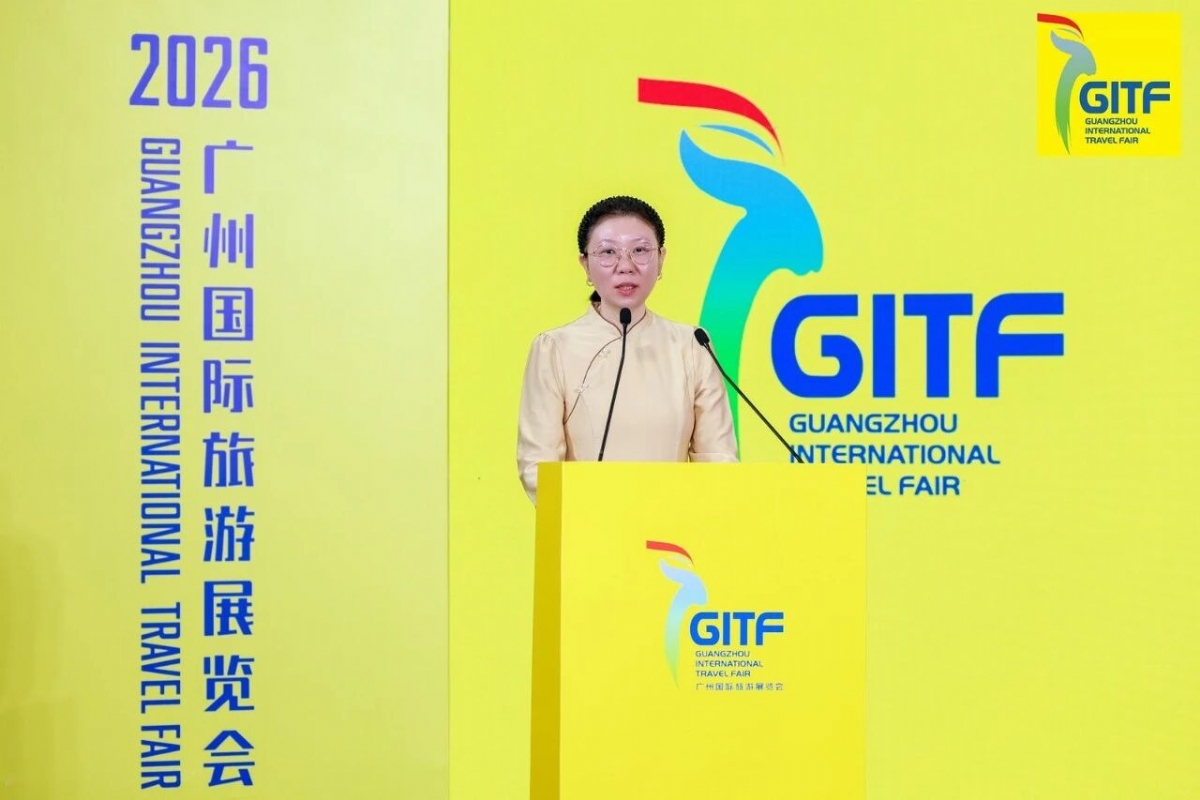
Zhu Xiaoqiu, Deputy Secretary-General of the Guangzhou Museum Association and Director of the Cultural Creativity and Digitalization Committee
“I’ve had the privilege of participating in all five sessions of this seminar, evolving from a guest speaker to my current role as host.” Zhu Xiaoqiu, Deputy Director of the Memorial Hall of the Former Site of the Peasants’ Movement Training Institute founded by Comrade Mao Zedong, Deputy Secretary-General of the Guangzhou Museum Association, and Director of the Cultural Creativity and Digitalization Committee, served as the host of the seminar and has witnessed the development of the Museum, Cultural and Creative Product Seminar. She first invited the first speaker, Weng Tong, Deputy Director of the Xuelei Fragrance Museum, to take the stage to present on the topic “From ‘Viewing Exhibitions’ to ‘Smelling the World’: Operational Innovations and Cross-Industry Practices at the Fragrance Museum.”
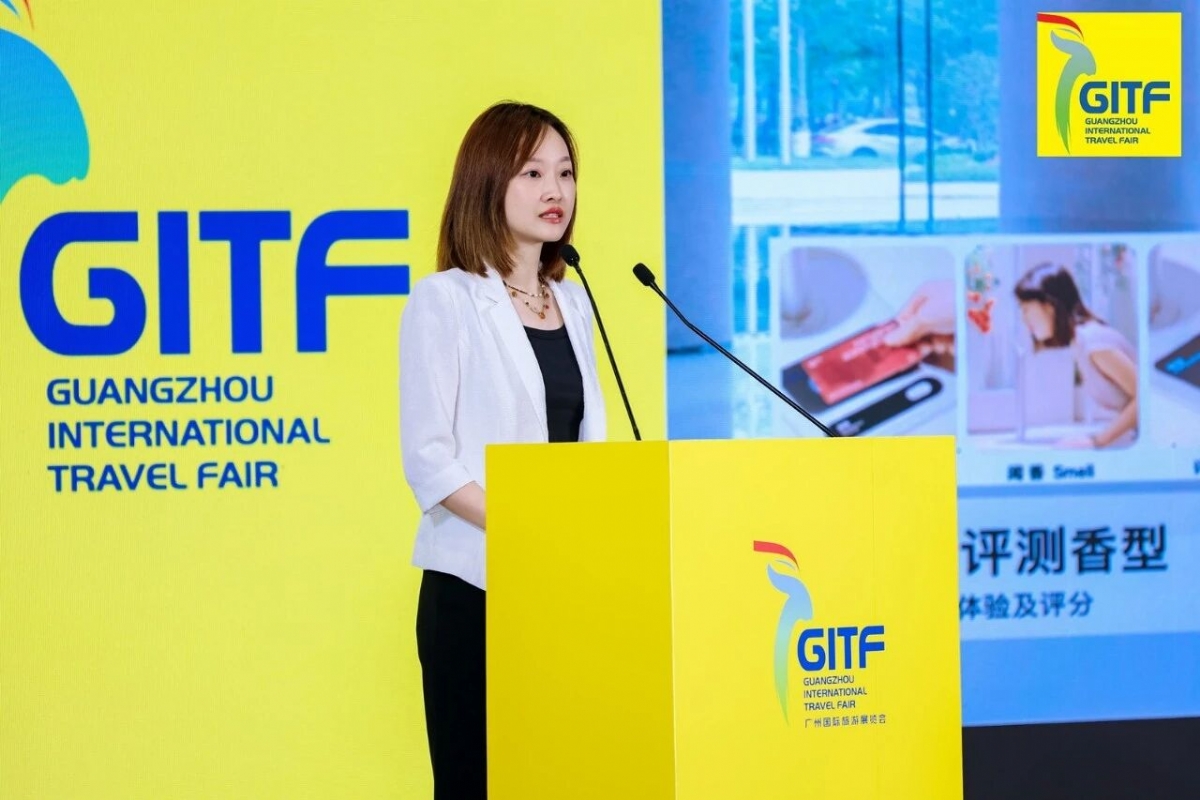
Weng Tong, Deputy Director of the Xuelei Fragrance Museum
This privately owned museum, with a total area of 9,500 square meters, won the Versailles Prize—jointly awarded by UNESCO and the International Union of Architects—less than a year after opening. Only seven museums worldwide were selected for this honor, and Xuelai is the only privately owned museum not backed by a government entity. “Perhaps it is precisely because the theme of fragrance itself transcends language, national borders, and cultural boundaries—and resonates with everyone—that it has garnered such attention,” said Weng Tong.
Weng Tong explained that the museum’s greatest innovation lies in the “deep integration of exhibitions and cultural and creative products”—visitors must use their admission tickets to activate nearly 300 scent-sampling devices throughout the museum. Each device is closely linked to a specific exhibit; after sampling a scent, visitors can rate it, and the system ultimately generates a personalized report that includes an AI-customized fragrance formula. Even though the perfumes require an additional fee, the conversion rate remains extremely high. Currently, sales of AI-blended fragrance merchandise account for more than 50% of the museum’s total revenue; revenue from tickets and merchandise is currently on par, with merchandise sales gradually surpassing ticket revenue.
In terms of cross-industry collaboration, Xuelai created historical fragrance profiles for the “House of Savoy” exhibition at the Guangdong Museum, developed “olfactory signatures” for the 23 host cities of the National Games, and designed a jasmine-scented aroma diffuser for the opera *Turandot* at the Guangzhou Grand Theater. Weng Tong stated that in the future, the company will deepen its commitment to educational outreach and academic research, collaborating with universities to advance research on the topic of “Olfaction + Chinese Materia Medica,” thereby enabling museums to truly serve as olfactory bridges connecting the world.
Part 02.
How to Break Away from the “Money-Burning” Model?
How “Red” Educational Tours Are Breaking the Ice in the Market
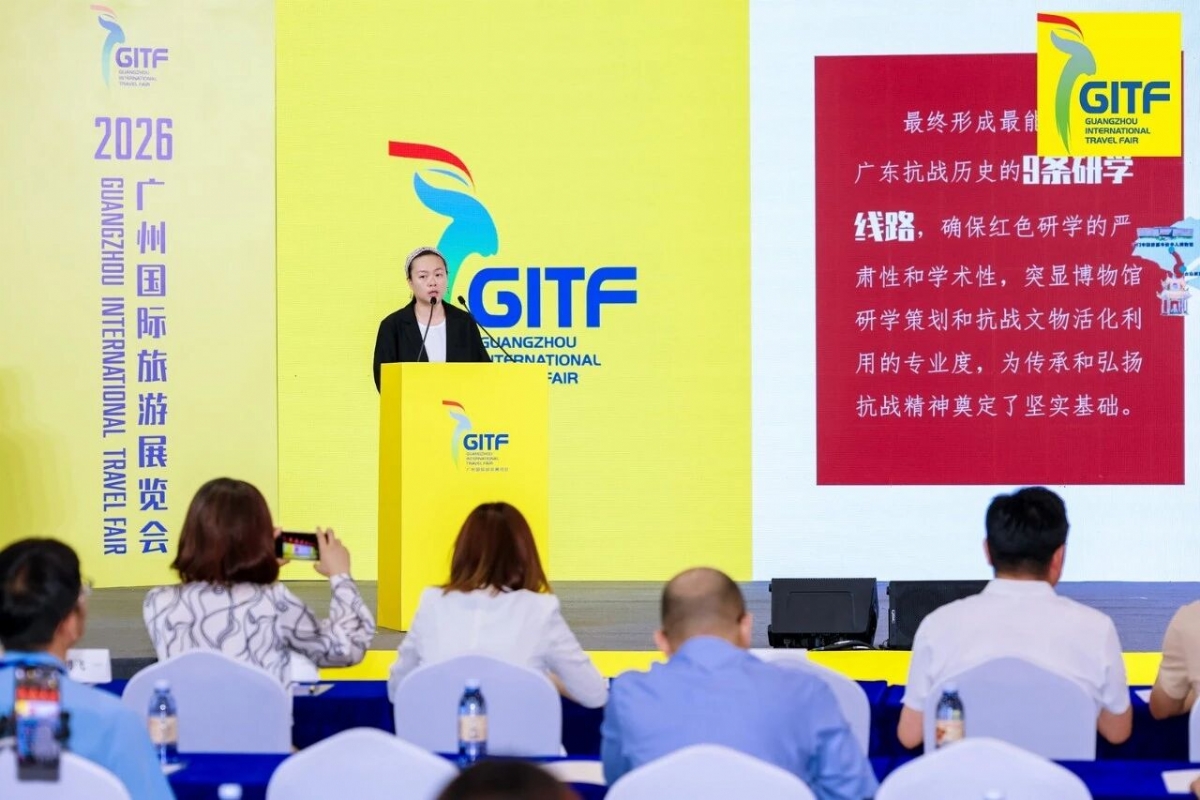
Guangzhou is the birthplace of China’s modern democratic revolution and one of the cities with the richest resources of revolutionary culture; it has witnessed the struggles of countless revolutionary forebears. In recent years, Guangzhou has continued to enhance its reputation as a destination for revolutionary culture and tourism, promoting the evolution of revolutionary study tours from “visits and guided tours” to “in-depth experiences.” At this seminar, the Guangzhou Museum’s presentation on its exploration of revolutionary study tours was particularly noteworthy.
Liang Muyu, project leader at the Guangzhou Museum, presented “Exploring New Pathways for Red-Themed Educational Tours: The Guangdong War of Resistance Against Japan Historical Sites Educational Tour Project.” In preparation for the 80th anniversary of the victory in the War of Resistance in 2025, the Guangzhou Museum, under the guidance of the Guangdong Provincial Department of Culture and Tourism, spent five months conducting research and cataloging 150 historic sites. Ultimately, it launched nine study tour routes covering cities in the Greater Bay Area. These programs are designed for students and Party and Youth League organizations, with group sizes ranging from 20 to 1,000 participants. The locations span all districts of Guangzhou as well as other Greater Bay Area cities such as Jiangmen, Huizhou, and Dongguan. According to reports, this project has received several awards, including being named an Outstanding Case Study at the 4th National Cultural Heritage Social Education Promotion and Exhibition Event, selected as one of the Top Ten National Cultural Heritage Study Tour Routes at the 2nd National Cultural Heritage Study Tour Awards, and included in the list of selected cases for the Protection and Utilization of War of Resistance Cultural Relics organized by the National Cultural Heritage Administration. Among these, a spin-off course titled “From Occupation to Victory: Citywalk” was also recognized as a high-quality study tour and practical education course for primary and secondary school students by the Provincial Department of Education and the Municipal Bureau of Education.
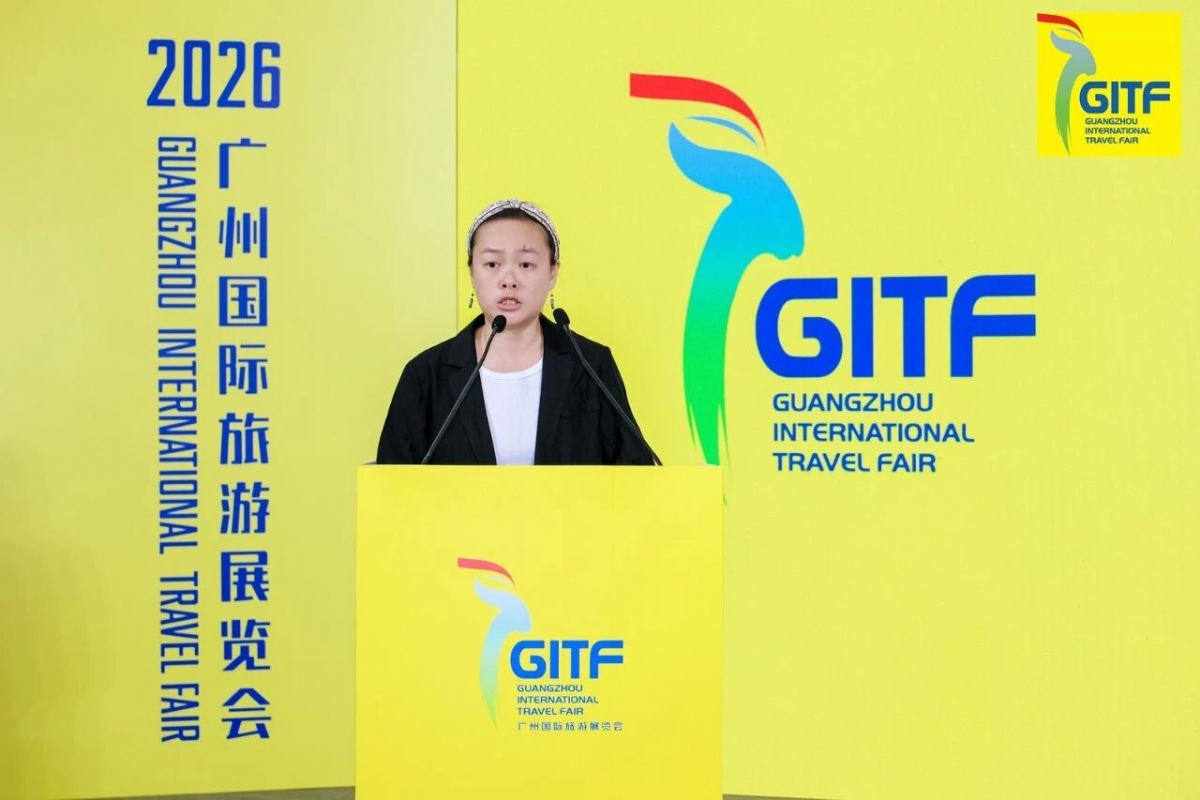
Liang Muyu, Project Leader, Guangzhou Museum
Why has this project received such high praise? Liang Muyu summarized five key features:
First, thorough research and solid historical documentation. As early as 2015, Guangzhou City conducted a comprehensive survey of historical sites and relics related to the War of Resistance across the city, covering a total of 147 locations in 11 districts. In 2024, based on this report, the Guangzhou Museum conducted a follow-up survey of 150 surviving war sites across Guangdong Province, ultimately selecting 31 sites and venues to be included as educational study locations. At the same time, the outreach and education team spent five months reviewing historical documents and archives, drafting lesson plans, inviting experts for review, and organizing seven pilot sessions.
Second, the content is comprehensive and the formats are diverse. The nine itineraries cover five aspects: the battles on the outskirts of Guangzhou, the cultural resistance, the guerrilla warfare of the Dongjiang Column, a city walk through historic sites in downtown Guangzhou, and the support provided by overseas Chinese to the War of Resistance. Participants can take on the role of a “war correspondent” to complete missions at historic sites such as the former Sun Yat-sen University campus and Baoguan Street; explore the little-known history of Guangzhou’s underground resistance on foot; or visit battle sites associated with the Dongjiang Column. These itineraries are available in half-day “Highlights,” full-day “In-Depth,” and two-day-plus “Panoramic” versions to meet a variety of needs.
Third, innovative breakthroughs and technology-driven empowerment. Along both routes, we introduced the “Xiaoyou Baobao” digital device, with each participant receiving one. Participants can use the device to view videos and images, answer questions, and generate personalized field study reports based on their progress. The device also features a location-tracking function to ensure safety.
Fourth, market-oriented operations to generate revenue. Building on the foundation of public service programs, we began exploring fee-based operations for the general public. In 2025, we conducted nearly 50 educational field trips, attracting nearly 1,000 participants and generating over 100,000 yuan in revenue, thereby breaking the deadlock where red-themed educational field trips relied solely on government funding and were unable to operate on a market basis.
Fifth, expanding the scope to create a series. With this research-based learning program as the core, the Guangzhou Museum and the Huadu District Education Research Institute organized a vlog contest that attracted over 10,000 student participants; launched a series of short videos that garnered more than 200,000 views; and developed eight supplementary ideological and political education courses, which were delivered to schools such as Tieyi Middle School and Guangdong University of Foreign Studies. This year, they are also compiling an interactive textbook on the history of the War of Resistance Against Japan and plan to hold an exhibition showcasing their educational achievements.
“History carries the past and offers insights into the future,” said Liang Muyu. She added that as long as participants are moved by the spirit of the War of Resistance, the project’s original intent has been fulfilled.
Part 03.
From Immersive Theater to Script-Based Games
A Targeted Education Matrix Takes Shape
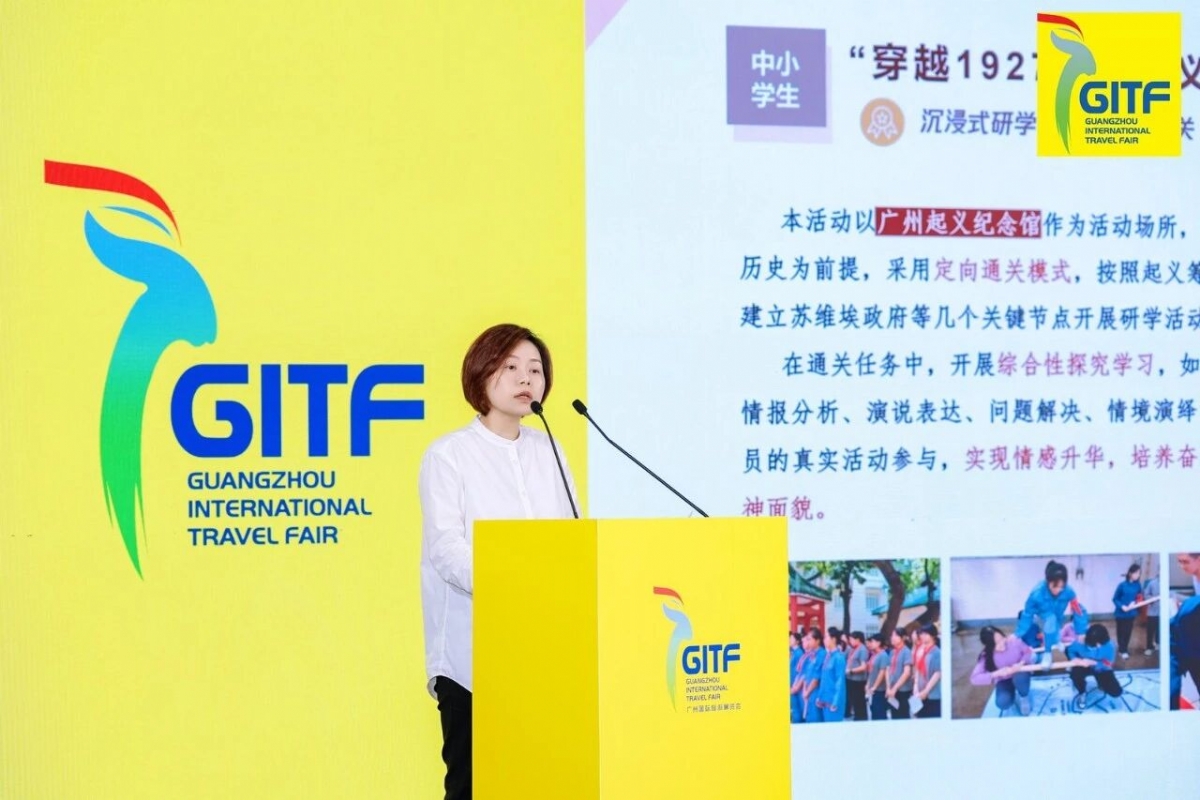
When it comes to revolutionary education programs, the “1+N” revolutionary education system launched by the Guangdong Museum of Revolutionary History in recent years—which caters to all age groups—has also gained popularity among many audiences. In this regard, Chen Heyi, Director of the Publicity and Education Department at the Guangdong Museum of Revolutionary History, delivered a presentation titled “Red Journey: Launching the Future,” introducing the museum’s five affiliated venues and the “1+N” revolutionary education system. The five venues—including the Guangzhou Museum of Modern History, the Guangzhou Uprising Memorial Hall, the Memorial Hall of the Former Site of the All-China Federation of Trade Unions, the Seamen’s General Strike Memorial Hall, and the Former Site of the Vietnamese Youth Political Training Class—offer a wealth of revolutionary resources. Building on this foundation and adopting a target-audience-centered approach to explore segmented education, the museum has developed a series of revolutionary education activities for all age groups, giving rise to the distinctive features of the “1+N” curriculum: “‘1’ represents our revolutionary foundation, and ‘N’ represents the diverse forms of engagement.”
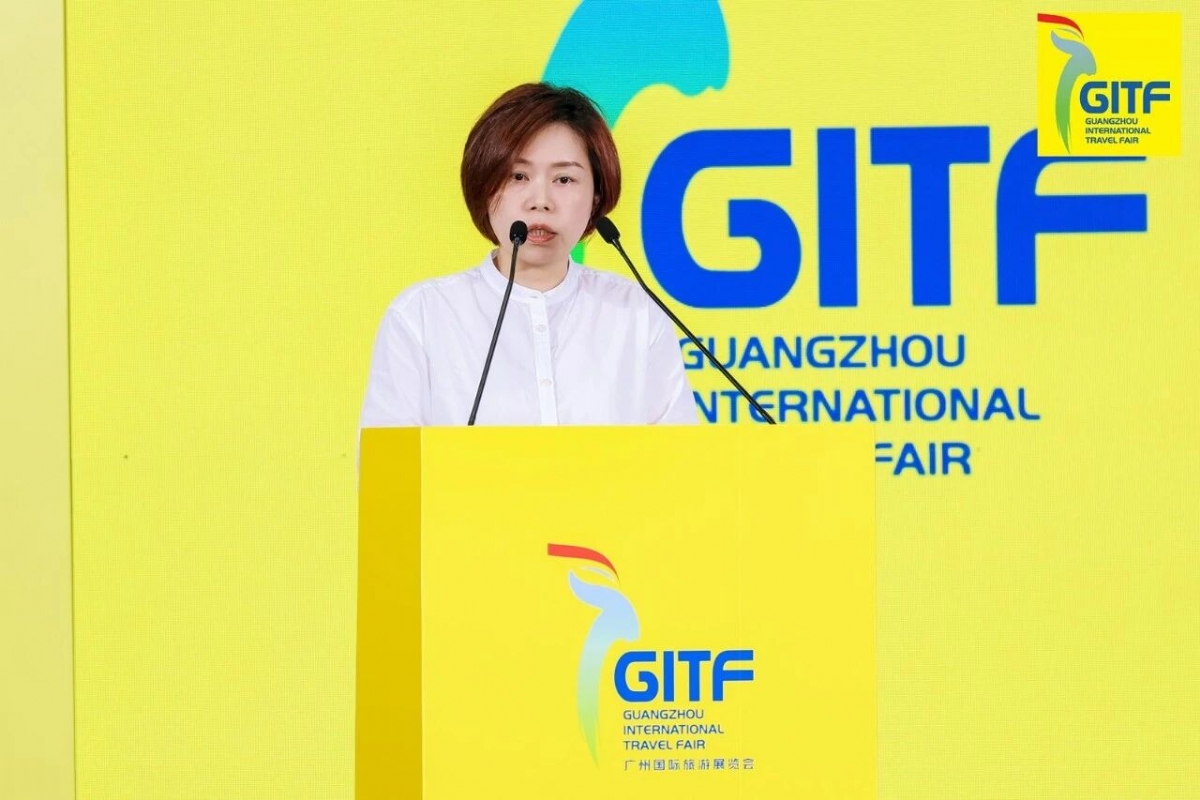
Chen Heyi, Director of the Publicity and Education Department at the Guangdong Museum of Revolutionary History
Specifically, for elementary and middle school students, the immersive theater production “Journey Through 1927: The Guangzhou Uprising”, held at the Guangzhou Uprising Memorial Hall, employs an orienteering-style challenge format in which participants learn about the Guangzhou Uprising through information gathering, intelligence analysis, and public speaking; The “Tracing the Footsteps of the Revolution” series of guided tours is based on the permanent exhibition at the Guangzhou Museum of Modern History. It uses a “treasure hunt” approach to explore the experiences of Mao Zedong, Zhou Enlai, and Liu Shaoqi in Guangzhou, incorporating hands-on career experiences; “Walking the Guangzhou Uprising” extends beyond museum walls, allowing primary and secondary school students to walk through the city using maps and clue cards to locate the sites where the Guangzhou Uprising took place; the “School-Based Curriculum,” structured into ten lessons, aligns closely with the history curriculum for the first semester of eighth grade, allowing for flexible selection of themes, and was recognized as one of the Top 100 Innovative Cases in National Cultural Heritage and Museum Education for 2024.
Among college students, scripted role-playing tours are extremely popular; these activities, which involve role-playing at the Memorial Hall of the Former Site of the All-China Federation of Trade Unions and the Guangzhou Uprising Memorial Hall, are a format particularly favored by young people. Meanwhile, the “New Youth” immersive theater experience takes place in the atrium of the First National Congress of the Communist Youth League Memorial Hall, where participants are randomly assigned plot task cards and take on the roles of “New Youth” from a century ago with diverse backgrounds, experiencing the path to breaking through the impasse of that era.
For Party members, the “A Century of the Embankment” urban walking tour explores the embankment’s iconic modern architecture as “history decoders”; the “Tracing Revolutionary Footsteps” themed study tour takes Party members outside Guangzhou to places like Huadu, Longmen, and Haifeng for 2–3-day activities, including lectures by experts, interviews with descendants of historical figures, orienteering hikes, and sandtable simulations; The immersive theatrical production, pioneered in 2019, has been performed 168 times at the Guangzhou Uprising Memorial Hall, attracting nearly 20,000 viewers. Additionally, themed Party Day experiential activities are held, integrating authentic historical settings, cultural and creative products, and interactive experiences.
Part 04.
Annual Sales of Cultural and Creative Products Soared from 1.2 Million to 5 Million
How Can IP Operations Be Both “Sustainable” and “Widespread”?
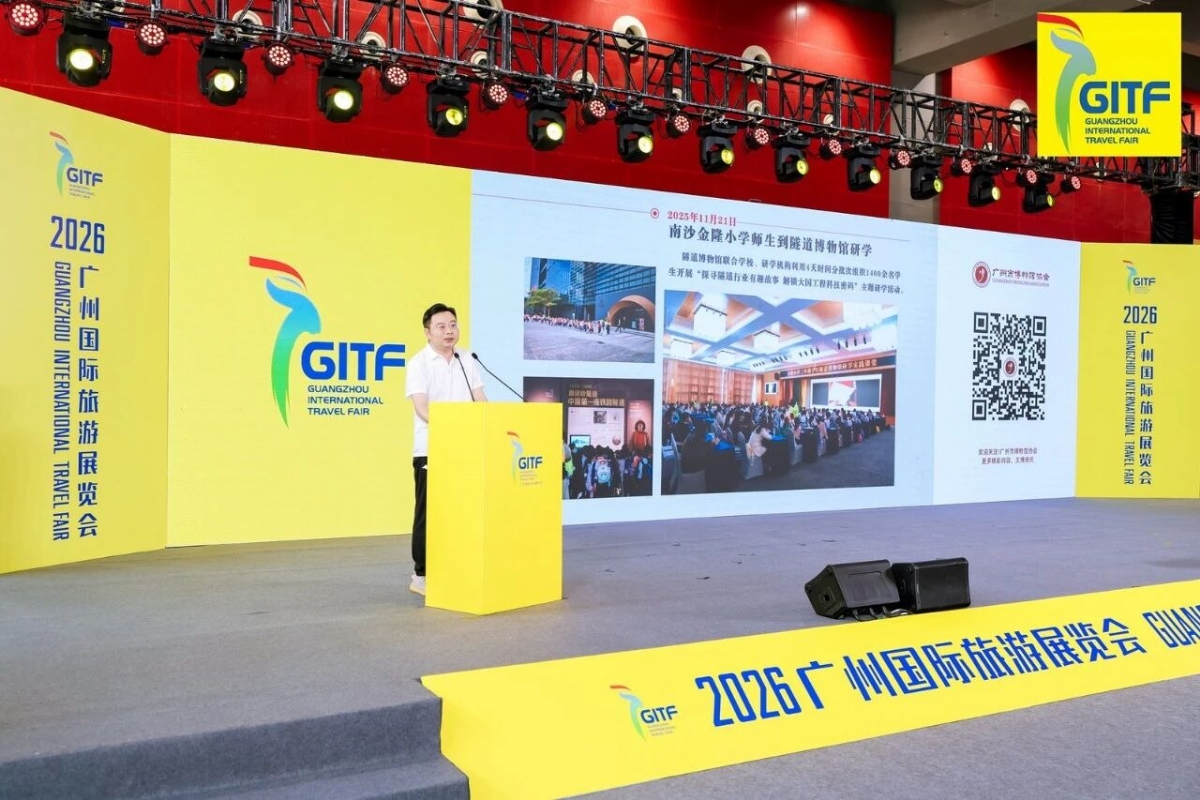
Located in Nansha District, Guangzhou, the Tunnel Museum was funded and constructed by China Railway Tunnel Group and is China’s first specialized museum dedicated to tunnels and underground engineering. It began trial operations in April 2024 and officially opened in December. It has been recognized with honors including being named one of the nation’s first “Educational Bases for the Spirit of Scientists,” a “Patriotic Education Base for Central State-Owned Enterprises” designated by the State-owned Assets Supervision and Administration Commission of the State Council, and a “Guangdong Provincial Science Popularization Education Base.” To date, it has welcomed nearly 450,000 visitors from all walks of life and hosted more than 500 science popularization events. As a relatively new museum in Guangzhou, how did it achieve the remarkable feat of “surging its annual sales of cultural and creative products from 1.2 million to 5 million yuan”?
At the seminar, Wang Zhiqi, director of the Tunnel Museum, gave a presentation titled “Deepening the Cultural Heritage of Tunnels: Writing a New Chapter in Cultural Creativity and Educational Research,” in which he introduced the museum’s operations. “Our influence stems from our substantive content as well as high-level recognition. The Chinese Society of Civil Engineering held a high-profile academic conference at the museum, bringing together more than 200 industry experts. Academicians such as Qian Qihu and Zhou Fengjun have visited the museum for research and inspections, speaking highly of it. Mr. Timothy Fok, a member of the National Committee of the Chinese People’s Political Consultative Conference and Chairman of the Hong Kong Olympic Committee, also made a special visit, praising the museum for providing an important platform for young people in Hong Kong and Macao to understand and identify with the nation.” Wang Zhiqi proposed the “Two Sets of Four Criteria” operational standards: at the construction level, the museum must be “easy to understand, well-founded, well-presented, and memorable”; at the operational level, it must be “widely disseminated, practically applicable, strategically far-reaching, and of high quality.”
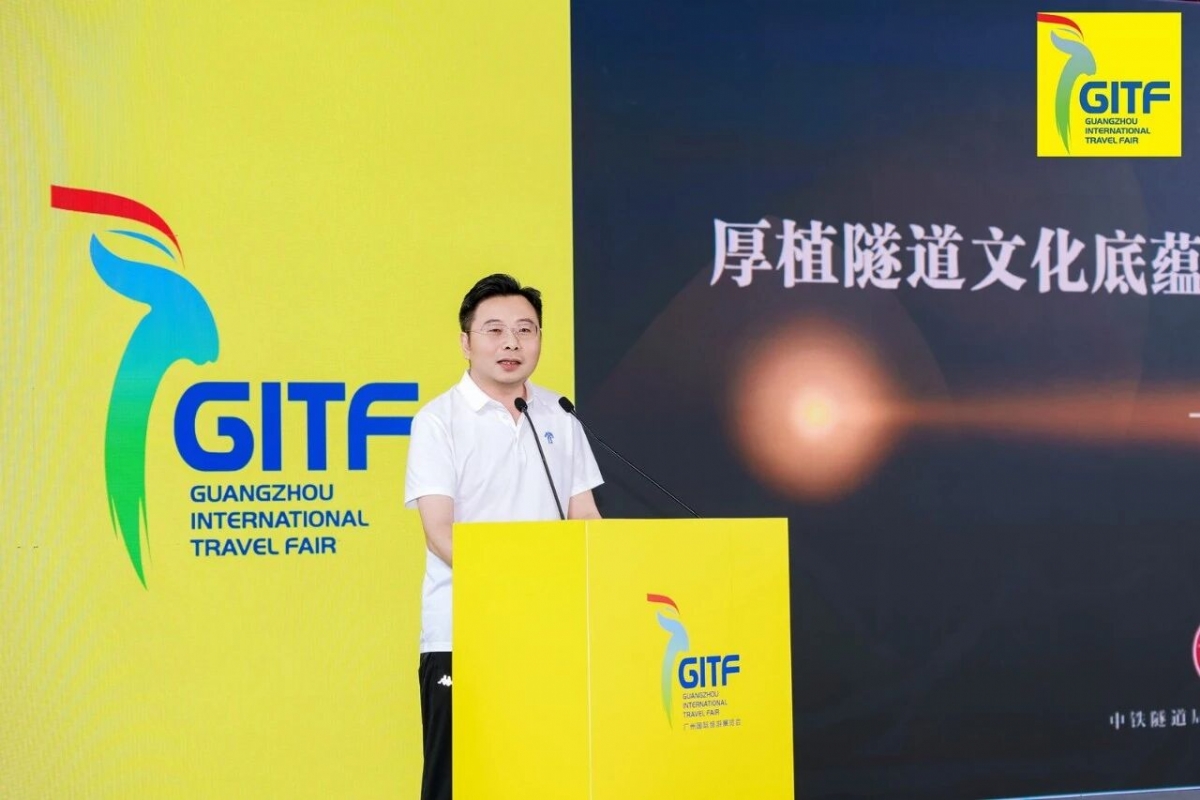
Wang Zhiqi, Director of the Tunnel Museum
Specifically, the key to standing the test of time lies in unique value, profound significance, and irreplaceability: “ Tunnel engineering is a microcosm of national infrastructure development. We delve deeply into three key values: science education and research value (transforming invisible underground projects into visible, tangible, and experiential science classrooms); patriotic value (the history of China’s tunnel development is a history of national self-reliance and scientific and technological independence); and spiritual heritage value (the spirit of trailblazers, the spirit of craftsmanship, and the spirit of innovation).” Wang Zhiqi noted that the key to effective storytelling lies in diverse formats and immersive experiences. For example, the museum features 5,000 square meters of exhibition space, complemented by a 6,000-square-meter tunnel-themed park. The museum’s 992-meter exhibition route showcases 196 representative projects and over 1,000 physical exhibits, with 21 recreated scenes that allow visitors to immerse themselves in the construction environments of tunnels such as the Dayaoshan Tunnel and the Qinling Tunnel. There are also 50 tech-enabled interactive experiences, including a VR shield boring simulation and an immersive geological disaster simulation. The museum also features 17 engineering models that make the technological prowess behind these major national projects intuitive and easy to understand. The key to effective outreach lies in integrated communication: “We’ve established a three-pronged promotional matrix comprising a WeChat Official Account, a Video Channel, and a Douyin account. Our WeChat Official Account has 49,000 followers, with total page views exceeding 285,000, and we’ve been featured multiple times in central media outlets such as the People’s Daily and Central Radio and Television Station. Last year, CCTV’s program “National Treasure Discovery” produced a special feature on us lasting over 20 minutes.”
Notably, in the cultural and creative sector, the Tunnel Museum has focused on the “Tunnel Hero” IP, developing 61 products and establishing four major product lines: corporate customization, cultural tourism souvenirs, everyday consumer goods, and employee benefits. Sales of cultural and creative products reached over 1.2 million yuan in 2025 and have surpassed 5 million yuan from 2026 to the present. The “Tunnel Hero” IP also won first prize in the National Employees’ Cultural and Creative Competition. “Moving forward, we will deepen our content development, strengthen educational programs, expand our outreach, and diversify our business models to establish the Tunnel Museum as an industry benchmark and a cultural hub,” said Wang Zhiqi.
Part 05.
A Sober Reflection Amid the Museum Boom
How Can We Achieve Long-Term Mutual Benefit with Museums?
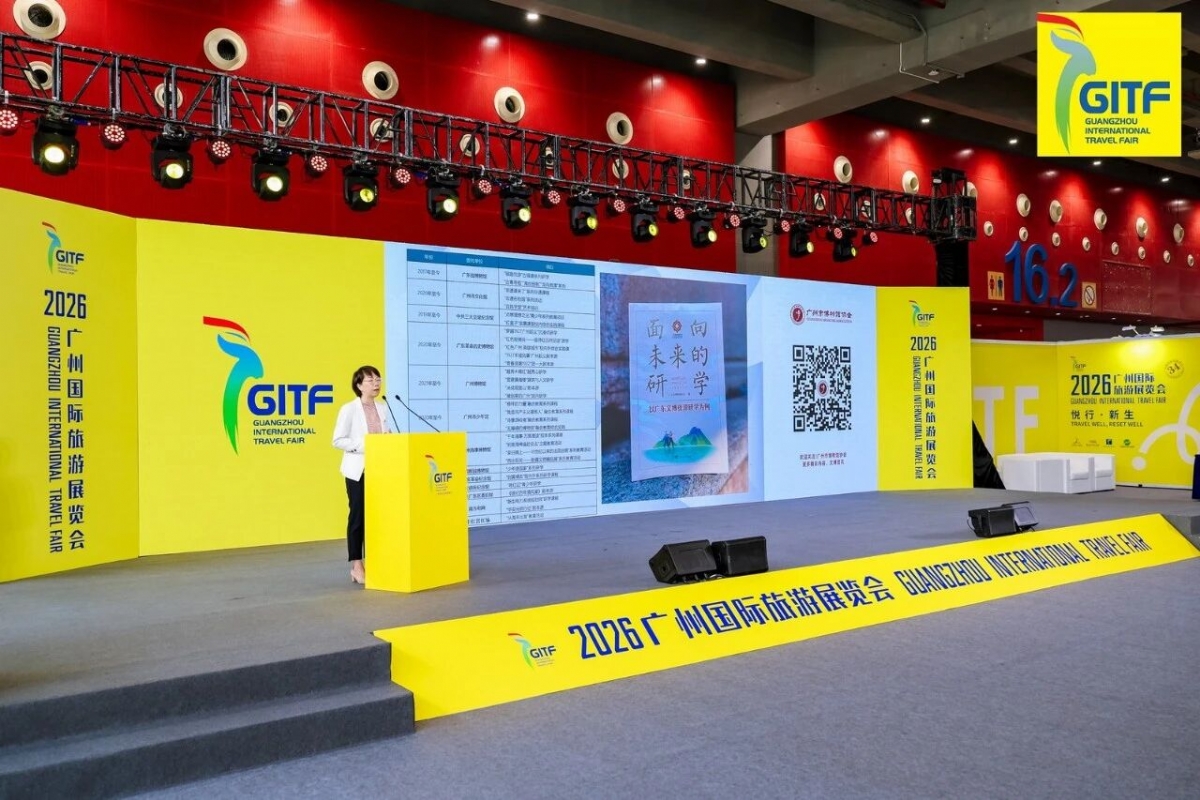
As the final keynote speaker at the seminar, Liu Jie, General Manager of Juye Study Tour Education Consulting (Guangzhou) Co., Ltd., offered some thought-provoking insights. As a third-party organization with nearly a decade of experience specializing in cultural and museum-based educational tours, Juye Study Tour has partnered with dozens of museums across Guangdong Province to develop over 100 courses, of which 20 to 30 have won national, provincial, and municipal awards.
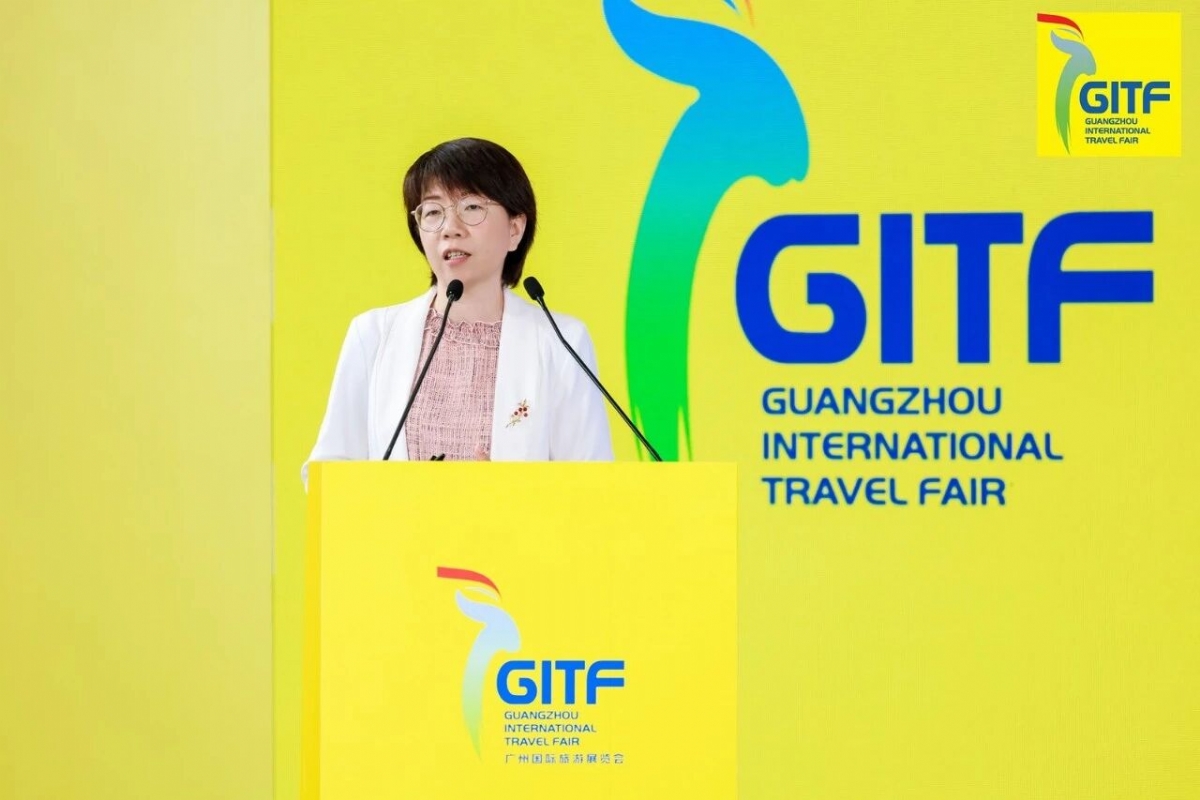
Liu Jie, General Manager of Juye Study Tour Education Consulting (Guangzhou) Co., Ltd.
Liu Jie highlighted four major contradictions in the market-oriented operation of museums: the balance between public service and commercial efficiency; the disconnect between serious content and accessible presentation; the structural mismatch between academic and market-oriented talent; and the conflict between safety standards and immersive experiences. She argued that the solution lies in sparing no effort to transform academic depth into experiential depth, and that truly succeeding in the market depends on this formula: Resources × Target Audience × Timing = Success.
She gave an example: the “First Writing Ceremony” at the Peasants’ and Workers’ Institute was perfectly timed for the April–September enrollment season, with nearly 10 sessions held over two weeks; the Guangdong Museum of Revolutionary History’s “Youth Begins Here · 1922” exhibition capitalized on the May Fourth Movement anniversary, selling out 15 sessions in a single month at a fee of 230 yuan per person for a half-day session; at the Memorial Hall of the Third National Congress of the Communist Party of China, traditional guided tours were transformed into a “mobile theater,” and the “Dongshan” project was launched, which can be flexibly adapted for school settings—including concurrent classroom lessons, community-based guided tours, and advanced courses. Liu Jie emphasized that achieving a win-win situation with museums requires joint content development, mutual referral of visitors, and empowerment of teaching staff. “We believe in the power of culture and the value of education,” she said. Looking ahead, she hopes to leverage intermediary organizations to enhance the professionalism and market competitiveness of museum education, while striking a balance between cultural heritage preservation and commercial value, thereby providing museums with the momentum for sustainable development through market-oriented operations.
Part 06.
Breaking Through in Cultural and Creative Industries: Everyone Pulls Out All the Stops
Deconstructing the Art of Museum Operations
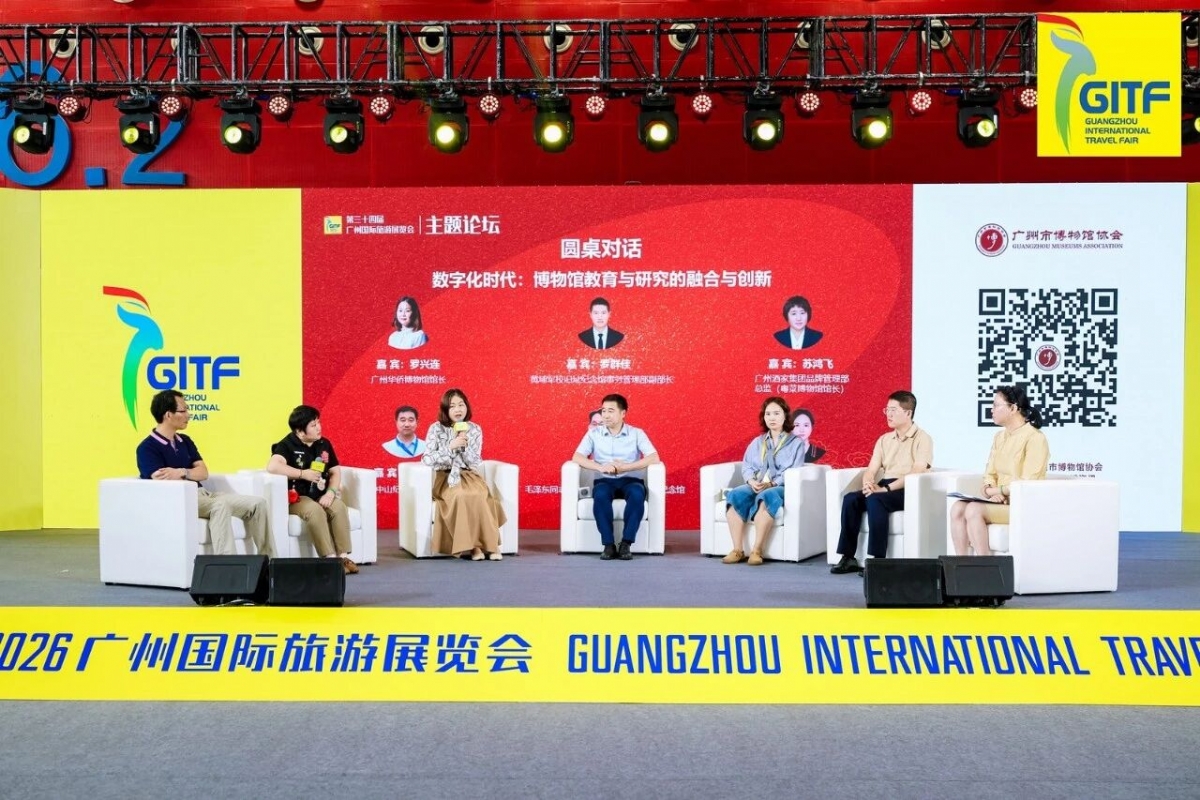
The seminar’s roundtable discussion was moderated by Zhu Xiaoqiu and featured Luo Xinglian, Director of the Guangzhou Overseas Chinese Museum; Su Hongfei, Brand Operations Director of Guangzhou Restaurant · Guangdong Cuisine Museum; Li Hongbo, Director of the Guangzhou Sun Yat-sen Memorial Hall Management Center; Ke Chubin, Director of the Public Education Department of the Peasants’ and Workers’ Institute; Luo Qunjia, Deputy Director of the Administrative Management Department at the Xinhai Revolution Memorial Hall; and Tang Fanti, a core member of the cultural and creative product R&D team at the Museum of the Two Tombs of the Southern Han Dynasty.
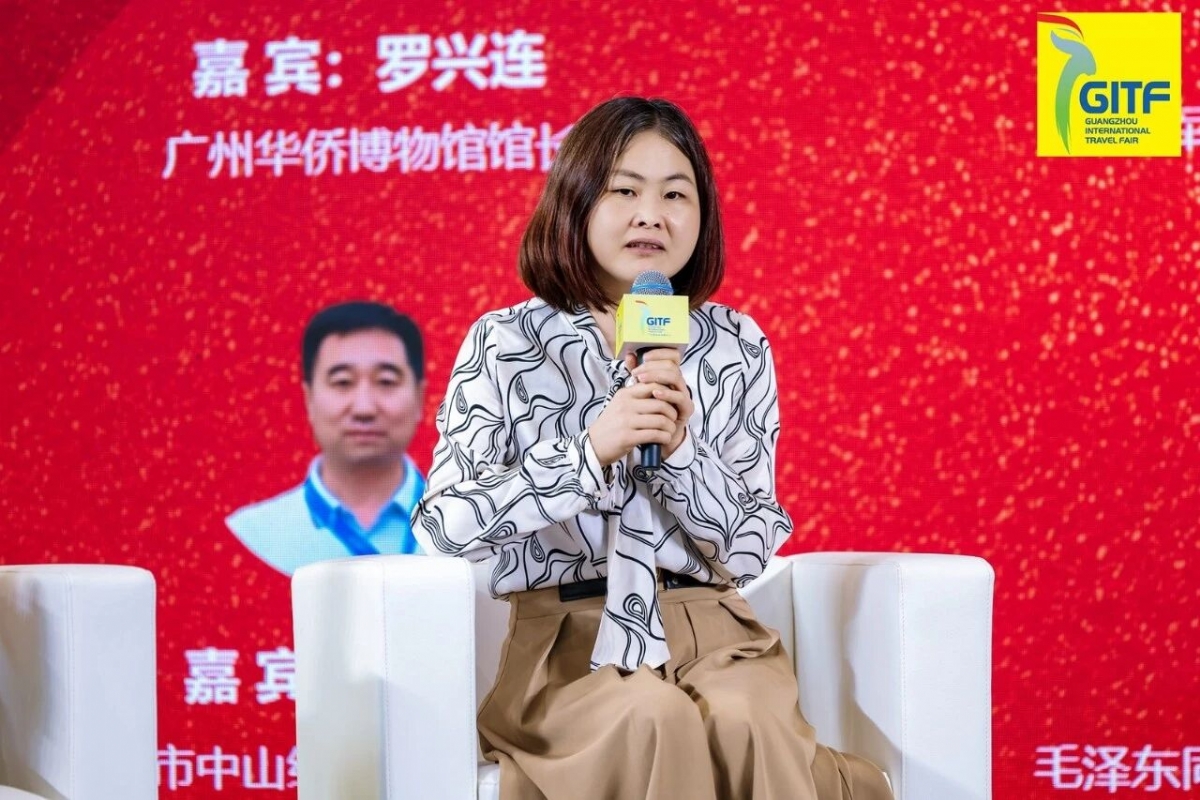
Luo Xinglian, Director of the Guangzhou Overseas Chinese Museum
Recently, the Overseas Chinese Museum has been trending online thanks to its exhibition titled “A Love Letter to Grandma from a Billion-Yuan Box Office Hit.” Luo Xinglian admitted, “We were quite surprised that a relatively niche museum suddenly became the focus of so much public attention.” He explained that the exhibition was already prepared before the film’s official release, and planning actually began even earlier—they had connected with the film’s marketing and distribution team back in March, when a preliminary agreement was reached: “After watching the film, we realized that the overseas Chinese elements and the history of migration to Southeast Asia depicted in the movie aligned very closely with our museum’s collections and content, and were also perfectly in line with our mission to ‘build a spiritual home for overseas Chinese around the world’. So we proactively proposed bringing the props from the film to the museum. The exhibition opened on April 24, and the director and the main creative team were all present. It was only later that the film truly resonated with audiences—its popularity far exceeded our expectations.”
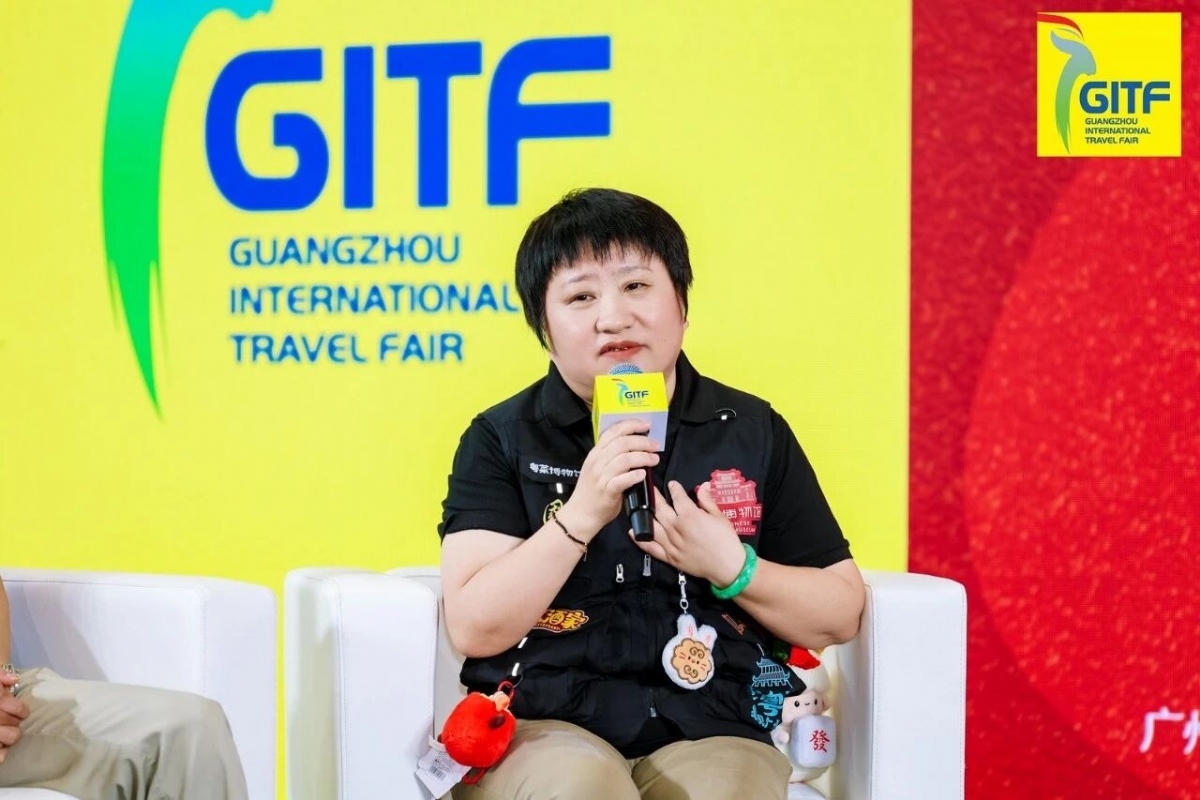
Su Hongfei, Brand Operations Director, Guangzhou Restaurant · Cantonese Cuisine Museum
Using Guangzhou Restaurant’s “Yin Cha Mie” IP as an example, Su Hongfei elaborated on the cultural transformation of the “Eating in Guangzhou” concept. He explained the reasoning behind naming the first cultural and creative product “Yin Cha Mie”: the character “Mie” not only represents the regional identity of Yangcheng but also embodies the collective character of the Cantonese people, illustrating that the core of creating an IP lies in establishing a deep connection with consumers. According to his observations, Guangdong people possess two core traits—a love of food and a drive to make money—which are also the most marketable trends. Furthermore, “Journey Through Time”, a collaboration with the Guangzhou Museum, has become a landmark product demonstrating the transformation of cultural influence into a market experience.
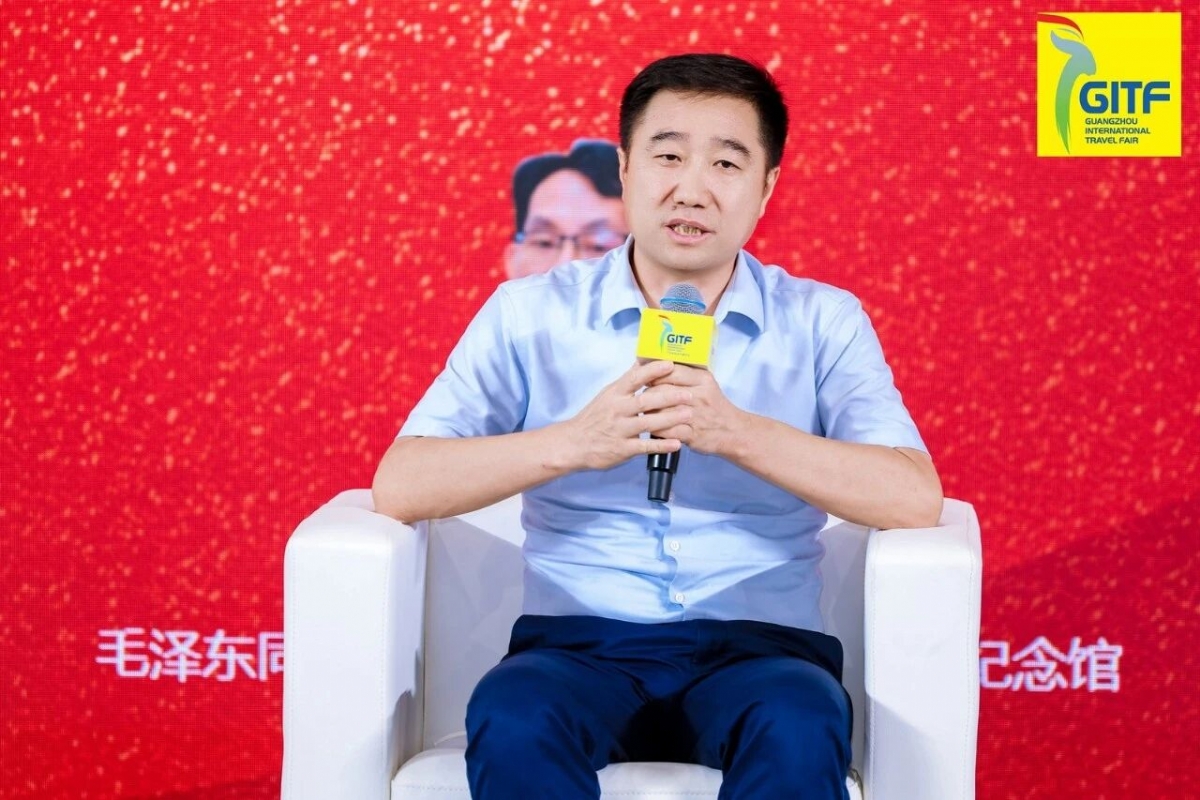
Li Hongbo, Director of the Guangzhou Sun Yat-sen Memorial Hall Management Center
Li Hongbo, meanwhile, mentioned the “comprehensive cultural and creative” concept at the Sun Yat-sen Memorial Hall: “When it comes to cultural and creative initiatives, we focus on three aspects: in-depth IP development, services, and empathy.” For example, in terms of in-depth IP development, the hall focuses on the combination of “historic architecture and ancient trees”; the Sun Yat-sen Memorial Hall is home to a kapok tree over 350 years old that has witnessed the hall’s past and present. In terms of services, the hall has integrated guided tours with educational field trips. In the first half of 2026, the number of guided tours doubled, while the educational field trips allow participants to “customize their experience”—choosing from options A, B, or C, or combining them as A+B or A+C, to perfectly meet their needs. Regarding empathy, whereas stories were once told through cultural relics, the hall now uses “people” to convey emotional resonance.
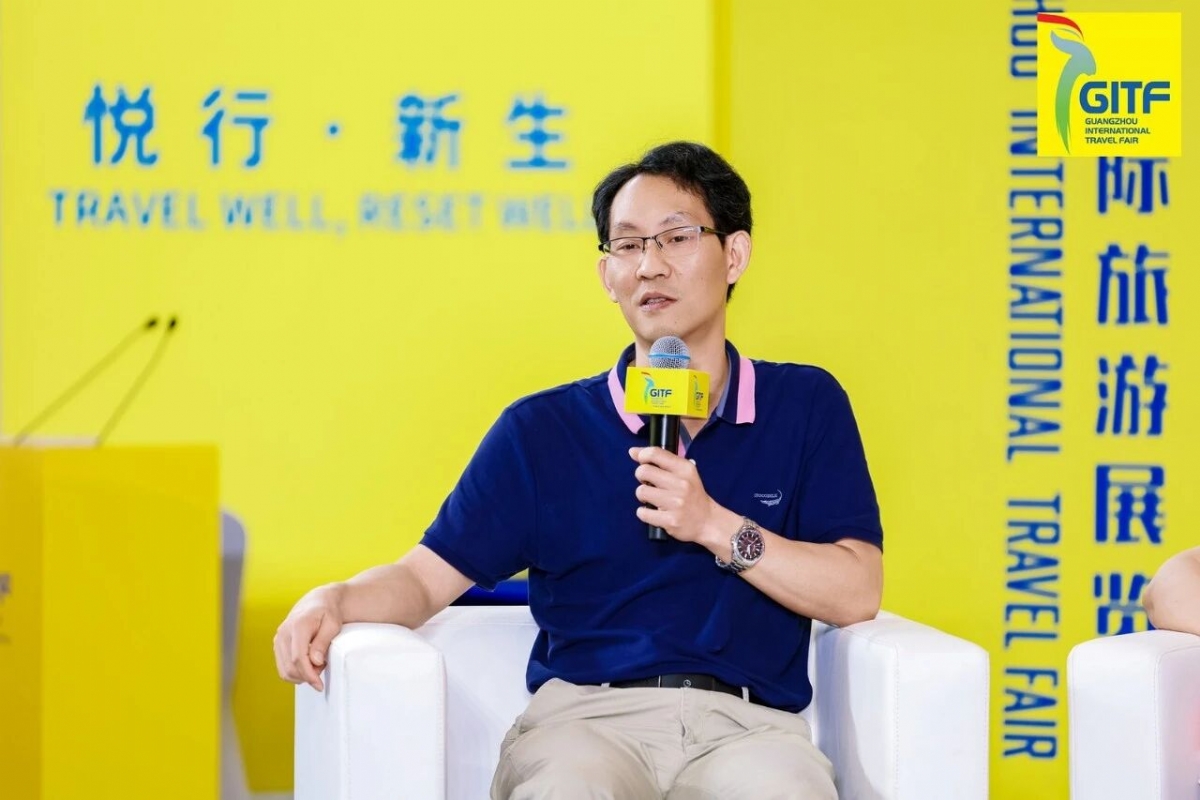
Ke Chubin, Director of the Public Education Department of the Peasants' and Workers' Institute
Ke Chubin admitted that the Peasants’ and Workers’ Institute’s “deeply ingrained ‘red’ label” has limited its outreach efforts, but the “Red Wall, Red Cotton, and Red Cultural Relics”—three key resources—combined with scientific innovation to launch the “Red Heritage Quest” educational program, which lets children extract red dye by hand to make bracelets: “Something that can be displayed on someone’s desk is more effective than any promotional campaign.” He believes that developing museum-branded cultural and creative products is bound to be challenging, but the market is still maturing, and the future looks promising.
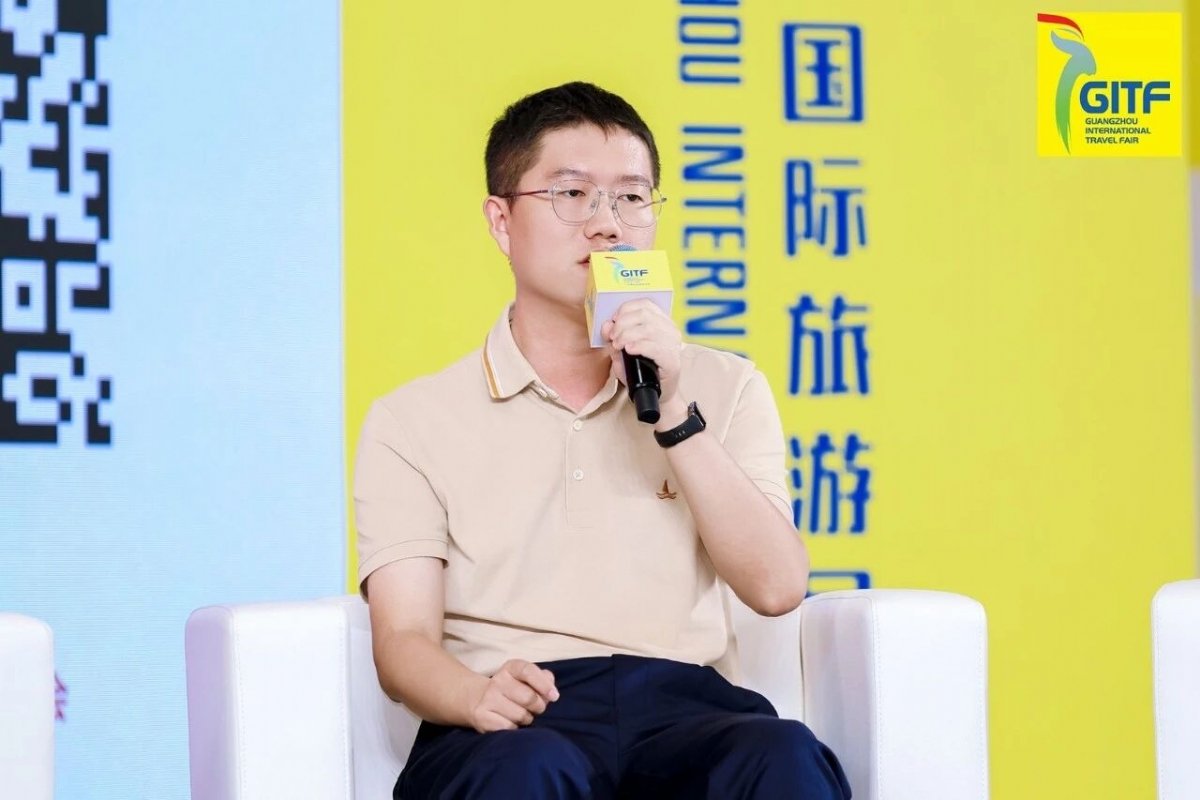
Luo Qunjia, Deputy Director of the Administrative Management Department of the Xinhai Revolution Memorial Hall
As for the Xinhai Revolution Memorial Hall (the former site of the Whampoa Military Academy)—a museum that attracts 2.3 million visitors annually—the staff has been exploring ways to leverage this foot traffic to enhance visitor services. Luo Qunjia outlined the museum’s approach to transforming educational programs into practical experiences. For example, by closely aligning with the themes of “national defense education” and “military culture,” the museum launched the “A Day as a Whampoa Cadet” program, where participants experience folding military blankets and tying leg bindings. The museum also invites active-duty officers and soldiers stationed on the island to demonstrate military martial arts and deliver lectures on national defense education—a program that has proven extremely popular. “Sword and Compass: Military Operations on the Sand Table” delves deeply into the tactics and topography covered in the Whampoa Military Academy’s military textbooks. “Battery Tour: Building Dreams of National Defense” takes participants outside the memorial hall to Baihegang Battery to explore Guangzhou’s modern urban and river defenses. “We also collaborated with Professor Liu Jie’s team to develop an immersive course. In ‘A Special Lesson,’ participants can experience the complete process from enrollment, political education, and military training to graduation. In addition, we’ve introduced ‘walk-through scenario tours’, featuring 10- to 20-minute reenactments at specific locations within the exhibition halls. We’ve also launched an AI-powered guided tour app, which offers precise GPS positioning, personalized route recommendations, and interactive features—attracting hundreds of visitors daily.”
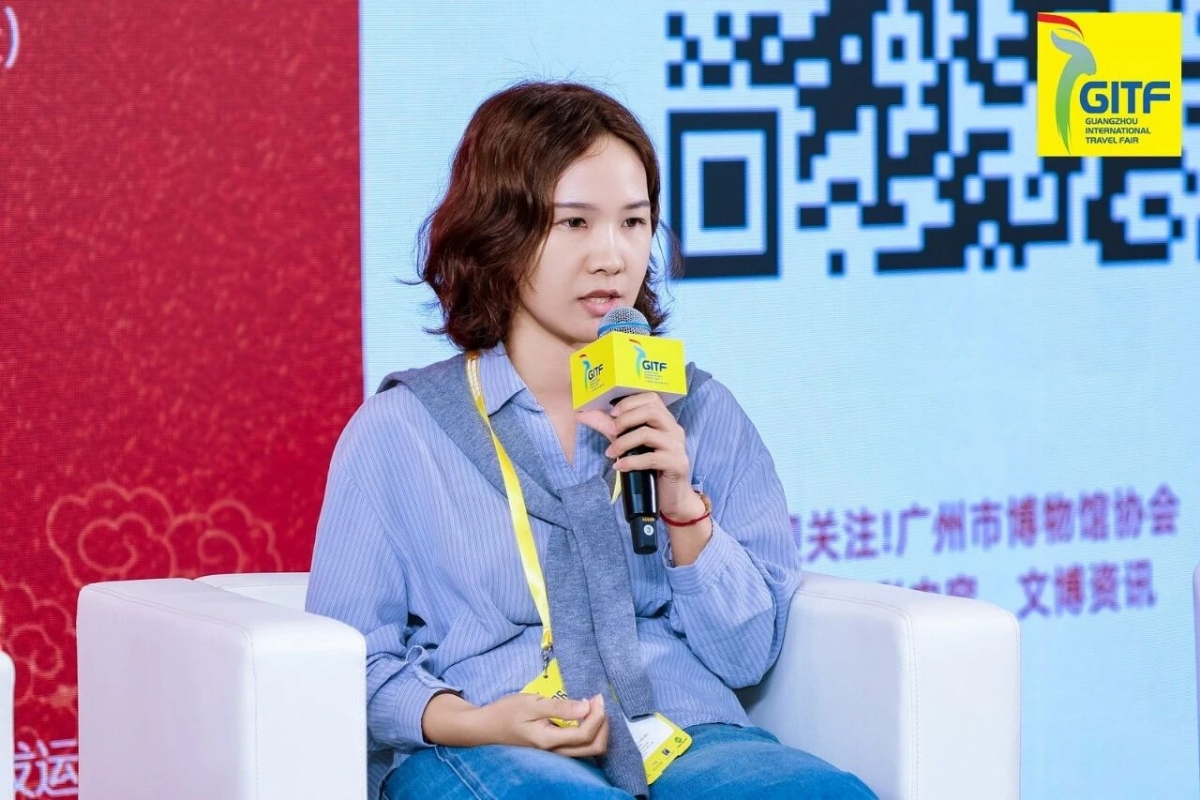
Tang Fanting, Core Member of the Cultural and Creative Product R&D Team at the Museum of the Two Tombs of the Southern Han Dynasty
“The Southern Han Twin Tombs Museum doesn’t have a particularly strong public presence, but the Guangzhou Institute of Cultural Relics and Archaeology certainly does. We have six main areas of operation: archaeological surveys, archaeological excavations, cultural relics conservation and restoration, cultural heritage preservation, exhibitions, and educational programs.” said Tang Fanti as she outlined the Southern Han Twin Tombs Museum’s “path to breaking through”. Backed by the Guangzhou Institute of Cultural Relics and Archaeology, the museum has access to scarce archaeological site resources. Last year, it conducted more than 100 educational field trips to these sites, over 60 of which were fee-based. She also called for collaboration with experienced professional institutions to jointly forge a distinctive path forward.
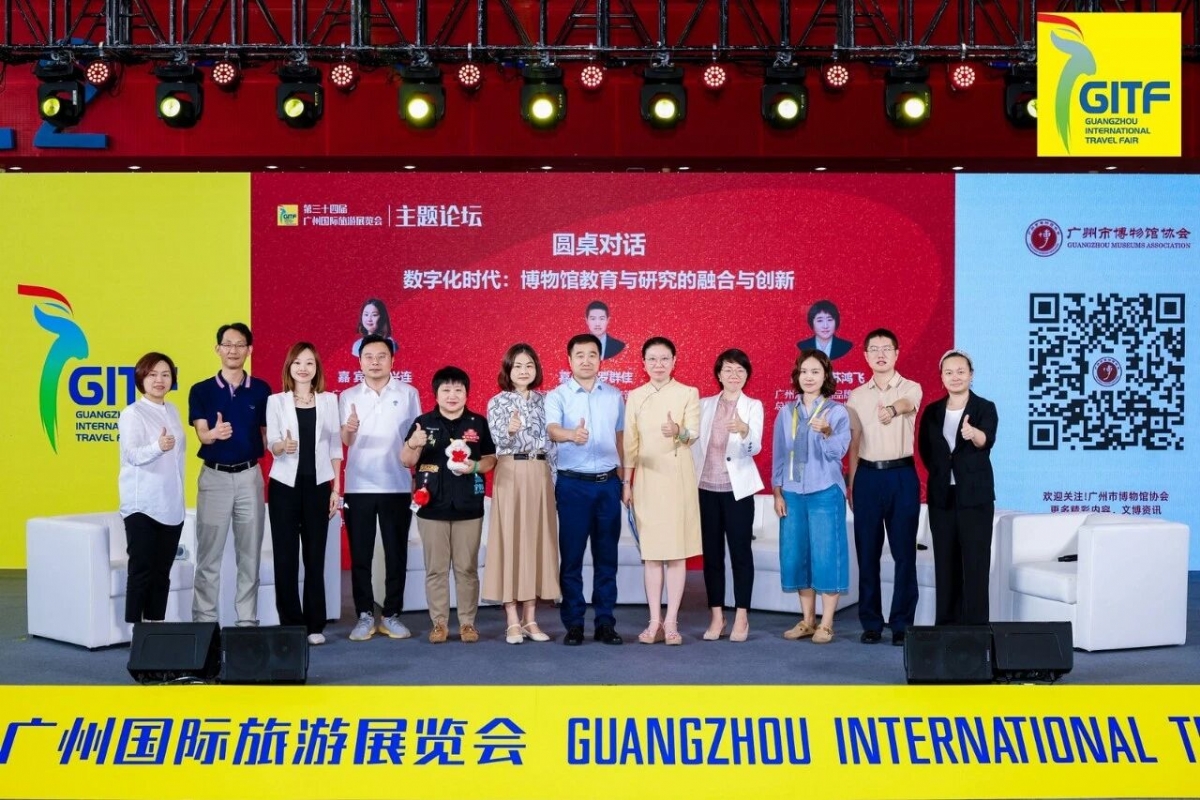
Bringing cultural relics to life and keeping culture thriving. The fifth Museum, Cultural and Creative Product Seminar sent a clear signal: Chinese museums are moving away from the traditional model of “free admission and government funding” toward a new phase characterized by “content is king” and “operation-driven” approaches. These museums are not only treasure troves of cultural heritage but also market entities in urgent need of revitalization. When museums learn to engage with audiences using the language of the market, forge emotional connections through the warmth of intellectual property (IP), and expand visitor experiences through technology, cultural relics cease to be static objects in display cases and instead become a living culture flowing through contemporary life.
【END】
Address: Room 1510, West Tower, Poly Trade Center, No.1000 Xingang East Road, Haizhu District, Guangzhou, China
 沪公网安备31011502400921