
Forum Review | Driven by Market Enthusiasm and Industry Trust: The Third Study Tour and Educational Travel Forum Sparks Lively Discussion on “Extracurricular Practice, Industry-Education Integration, and the Future of Research and Study Tours”
2026-07-14
Currently, educational travel has become a very popular trend in the tourism market. For industry professionals, working in educational travel is not just a job—it is a weighty responsibility. Since the participants in educational travel programs are mostly students, these programs serve as a channel to help them broaden their global perspective and understand the world. How can we make these extracurricular experiences more meaningful and work together to create a bright future for educational travel through the integration of industry and education? This has been a topic of ongoing reflection within the industry in recent years.
On the morning of May 22, 2026, as one of the core events of the 34th Guangzhou International Travel Fair (GITF), the 3rd Study Tour and Educational Travel Forum was held in the forum area of Hall 15.2, Area C, at the Canton Fair Complex. Under the theme “Extracurricular Practice, Industry-Education Integration, and the Future of Research and Studt Tours,” the forum brought together more than 200 guests—including industry experts, scholars, heads of educational bases and camps, and representatives from cultural and tourism enterprises—to discuss cutting-edge topics such as the standardized development of educational travel, discipline-based educational travel in higher education, the preservation of revolutionary heritage, and school-enterprise collaboration in talent development.
Looking back on this forum, we can see the industry professionals’ fruitful explorations in two major practical areas.
Q1·
How Can We Move from “Student-Style Tourism”
to “Standardized Educational Services”?
The forum kicked off to enthusiastic applause. Zeng Jianyun, Secretary-General of the Guangzhou Study-Travel Practice Association, served as the moderator and first invited industry leaders to share their practical experiences and in-depth insights in the field of study-travel. The first speaker was Li Xieju, Vice President of the Guangzhou Study-Travel Practice Association, who has dedicated many years to tourism-based study-travel and possesses profound insights and extensive practical experience regarding the standardized development of study-travel tourism. The second speaker was Li Na, Executive President and Secretary-General of the Shaanxi Province Study-Travel Practice Education Association. Focusing on the theme “Why Focus on University-Based Disciplinary Study-Travel? Why Travel to the Sacred Site of Yan’an for Study-Travel?,” she used case studies to analyze Shaanxi’s new explorations in study-travel.
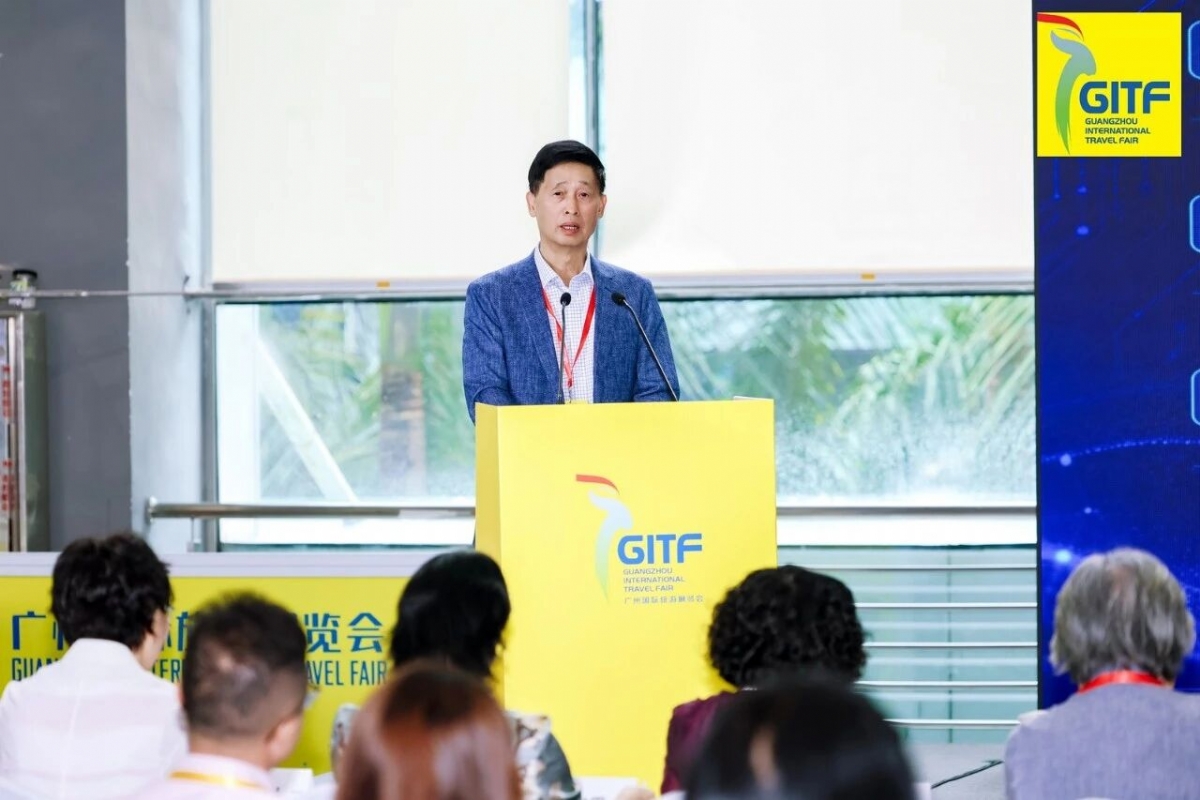
Li Xieju, Vice President of the Guangzhou Study-Travel Practice Association
Speakers at the GITF forum have never shied away from addressing key issues. Li Xieju directly tackled the industry’s pain points from the perspective of “standardizing educational travel.” In 2025, China saw 450 million educational travel participants, covering 68% of primary and secondary school students. Guangdong Province accounted for nearly 20 million participants, making it a benchmark province for educational travel nationwide, while Guangzhou alone recorded 1.5 million participants. The educational travel market is large and active, and it has accelerated even further recently as one or two prefecture-level cities have introduced spring and fall breaks. However, amid this rapid expansion, issues such as non-compliant bidding, poorly designed curricula, and lack of proper qualifications have emerged.
“In 2025, the development of the educational travel regulatory framework accelerated significantly. The Ministry of Culture and Tourism issued industry standards such as the *Service Requirements for Educational Travel* and the *Guidelines for Educational Travel Curriculum and Itinerary Design*. The introduction of these standards sends a very clear signal—educational travel can no longer be simply viewed as a ‘student version’ of ordinary group tours; it should be developed in accordance with its own educational objectives, service processes, curriculum design, and safety requirements. ” Li Xieju specifically noted that one key change is the shift from “educational travel” to “educational tourism.” This is not merely a change in terminology; it signifies that educational travel activities must be understood and prioritized within the cultural and tourism system. Against this backdrop, the Ministry of Culture and Tourism and the State Administration for Market Regulation recently released a new model group tour contract, specifically introducing a contract tailored for educational tourism. In Li Xieju’s view, the implementation of these contracts also signifies a shift in the role of travel agencies: “As organizers of study tours, travel agencies cannot merely act as coordinators of transportation, accommodation, admission tickets, and tour guides; they must become comprehensive coordinators of study tour services, linking schools, families, educational bases, mentors, camps, transportation, catering, insurance, medical care, emergency response, and after-sales service. They must upgrade from traditional capabilities in resource procurement and group operations to capabilities in curriculum integration, supply chain vetting, safety assessment, services for minors, contract management, and emergency response.” He proposed six key areas for standardization—products, contracts, supply chains, personnel, safety, and evaluation—and called on the industry to “move from market hype to industry trust, and from resource organization to value creation.”
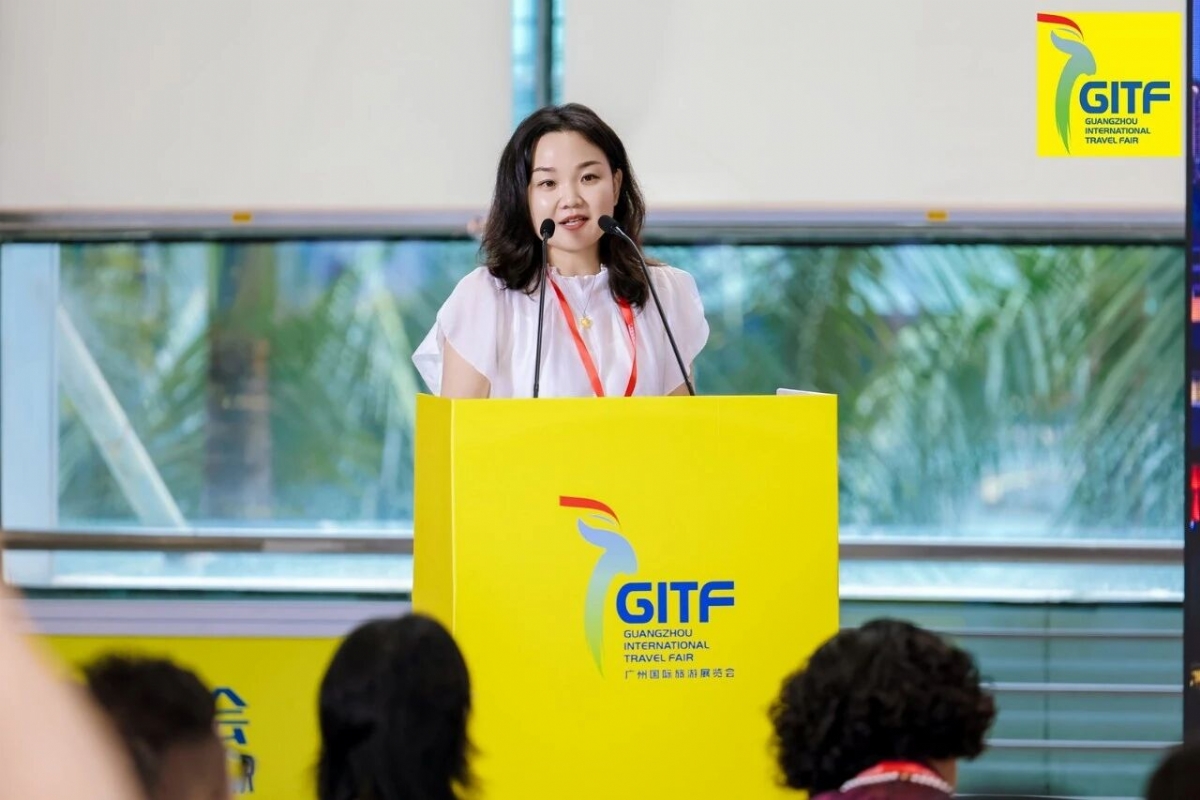
Li Na, Executive President and Secretary-General of the Shaanxi Province Study-Travel Practice Education Association
Li Na then shifted her focus to what the policies introduced over the past two years have actually contributed to the industry and what they signify, sharing her insights: “At the national policy level, the institutional framework for educational travel has already been established.” She noted that China’s educational travel market is currently undergoing a period marked by both expansion in scale and profound transformation. By 2025, the educational travel market had reached 213.2 billion yuan, with a growth rate nearing 20%, and is projected to exceed 300 billion yuan by 2028. While the market is massive, the industry has undergone a fundamental transformation—shifting from the previous era of extensive, unsystematic expansion to a new phase where “content is king” and competition is driven by quality. As the economy shifts toward high-quality development, consumer spending is also upgrading, with people placing greater emphasis on education, culture, and personal growth, and making increasingly rational choices. From the perspective of parents’ demands, safety is the top priority, followed by curriculum design, with educational content and educational value at the core. Parents no longer seek superficial “check-in” experiences but rather the comprehensive development of their children’s character, literacy, and values.
Citing the association’s pilot program last year—which standardized university study tour courses in collaboration with more than 10 universities that had already established internal mechanisms—Li Na introduced the forum guests to new practices in study tours in Shaanxi Province. Li Na stated, “Field studies are not about the itinerary, but rather the depth of education, the height of spiritual enrichment, and the warmth of nurturing students.” This view was widely endorsed by the guests in attendance.
Q2·
Faced with a future society full of uncertainty, how can research institutions, schools, and enterprises work together to cultivate talent for the new era?
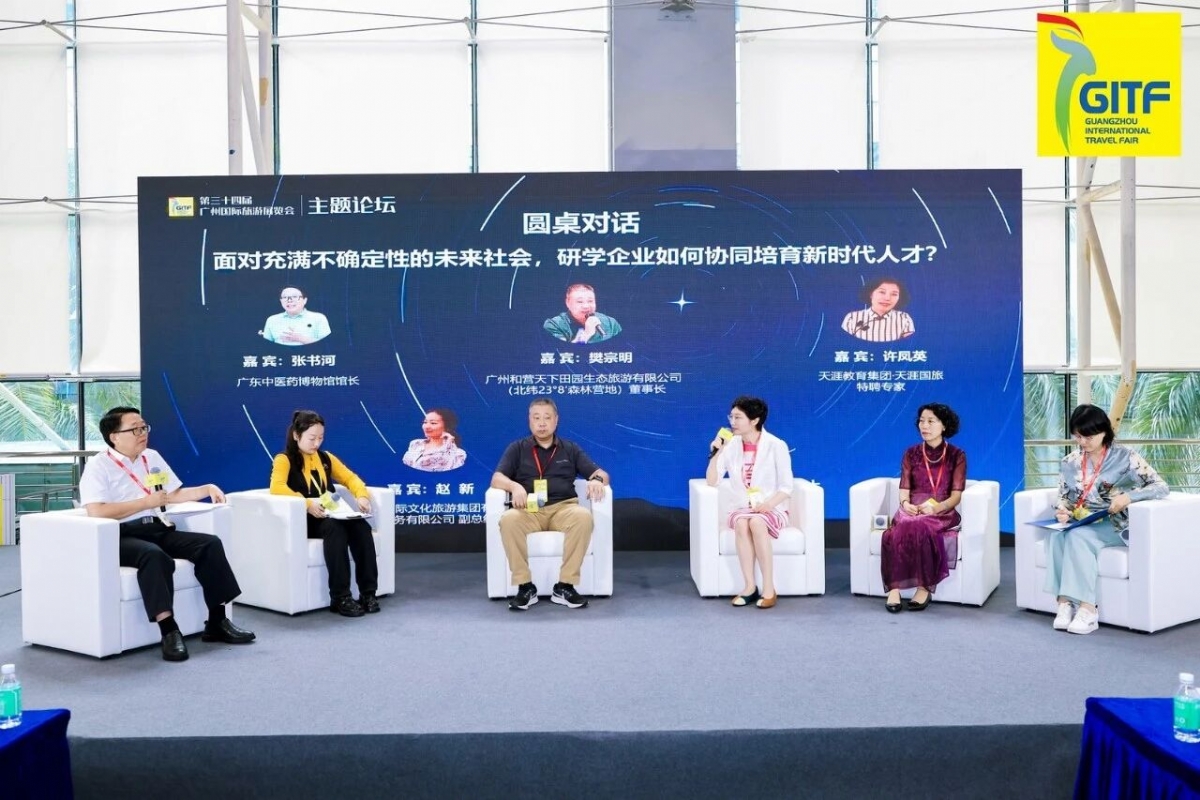
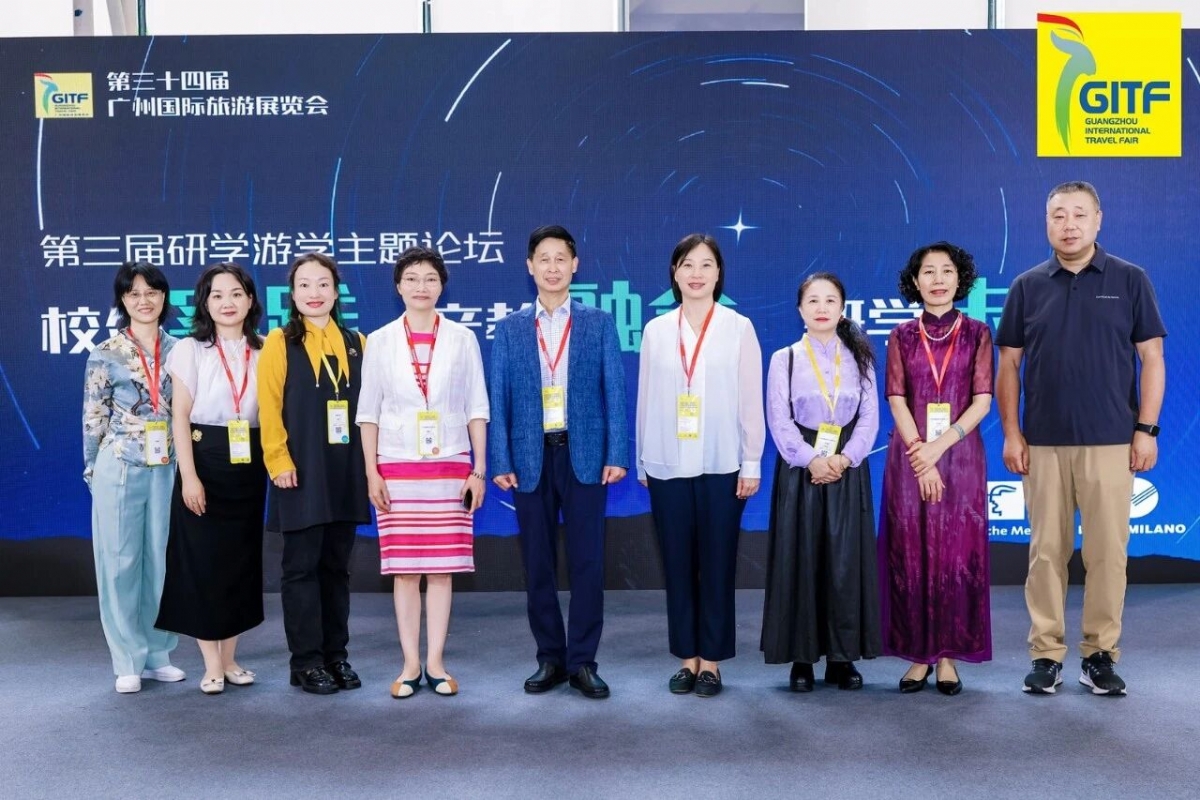
With rapid technological advancements and social development, the uncertainty of the future is becoming increasingly apparent, placing higher demands on the core competencies of talent in the new era. Cultivating talent for the new era—individuals who possess innovation, adaptability, and a sense of responsibility—has become a shared mission for the education and field study sectors. The forum’s roundtable discussion was moderated by Mo Jianing, a think tank expert from the Guangzhou Study-Travel Practice Association. Invited guests included Zhang Shuhe, Director of the Guangdong Museum of Traditional Chinese Medicine; Fan Zongming, Chairman of Northern Latitude 23°8 Forest Camp; Xu Fengying, a specially appointed expert from the Tianya Education Group; Wu Xiaoxia, a seasoned study tour practitioner; and Zhao Xin, Deputy General Manager of Guangdong Tieqing International Culture and Tourism Group Co., Ltd. They engaged in an in-depth discussion on the topic: “How Can Educational Travel Enterprises and Institutions Collaborate to Cultivate Talent for the New Era in the Face of a Future Society Full of Uncertainty?”
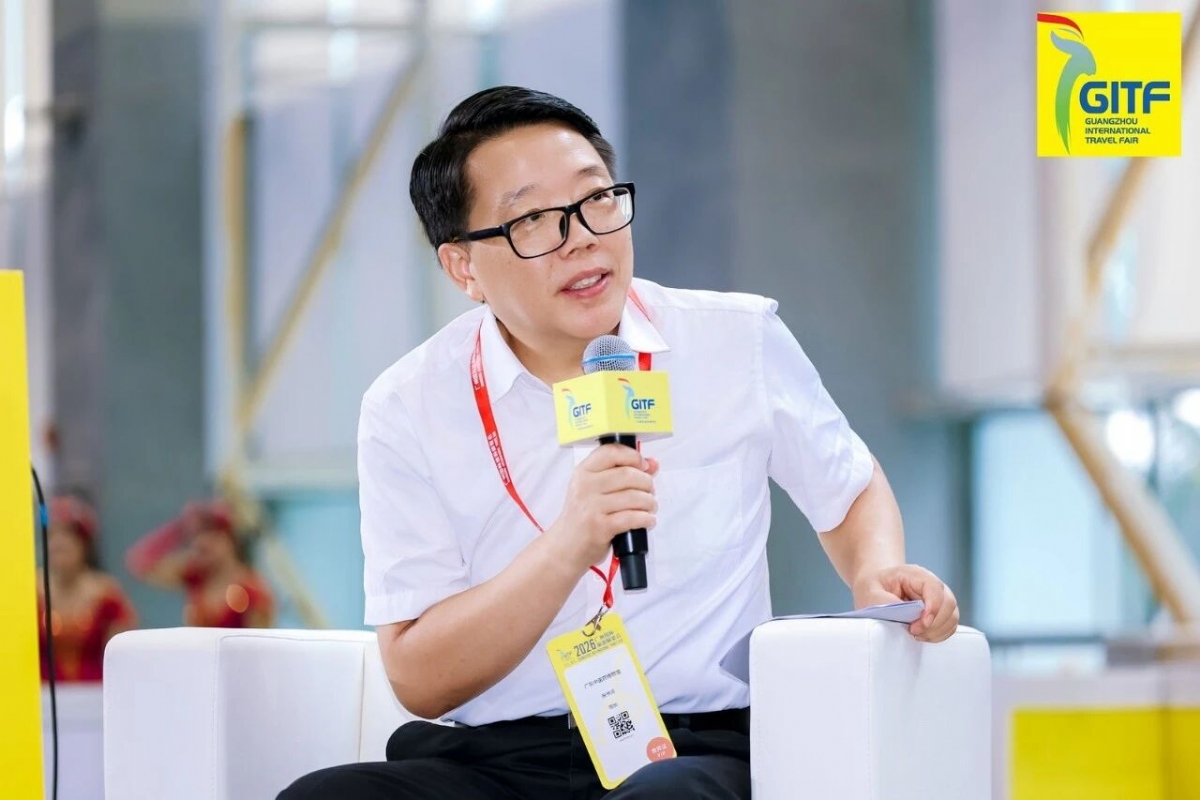
Zhang Shuhe, Director of the Guangdong Museum of Traditional Chinese Medicine
The Guangdong Museum of Traditional Chinese Medicine is located on a university campus. Drawing on the university’s abundant professional resources, how can this be transformed into a core driving force for talent development? Zhang Shuhe, director of the Guangdong Museum of Traditional Chinese Medicine, stated that TCM cultural resources serve as a form of patriotic education that “nurtures people subtly and imperceptibly”: “Guangzhou University of Chinese Medicine is a ‘Double First-Class’ university, and Traditional Chinese Medicine is a national first-class discipline. We have a wealth of talent resources. In terms of faculty, we have a diverse range of mentors—from recipients of the National Science Fund for Distinguished Young Scholars and the university president to ordinary instructors.” According to reports, the museum also has a team of student volunteers who serve as docents; as they are the same age as the children, their explanations resonate more deeply with them. Additionally, there are two other volunteer teams and the “Qihuang Science Popularization Society.” The museum’s volunteer team includes many seasoned medical experts who are eager to serve: “We are fully leveraging the university’s academic resources, human resources, and facility resources to meet the needs of educational trips.”
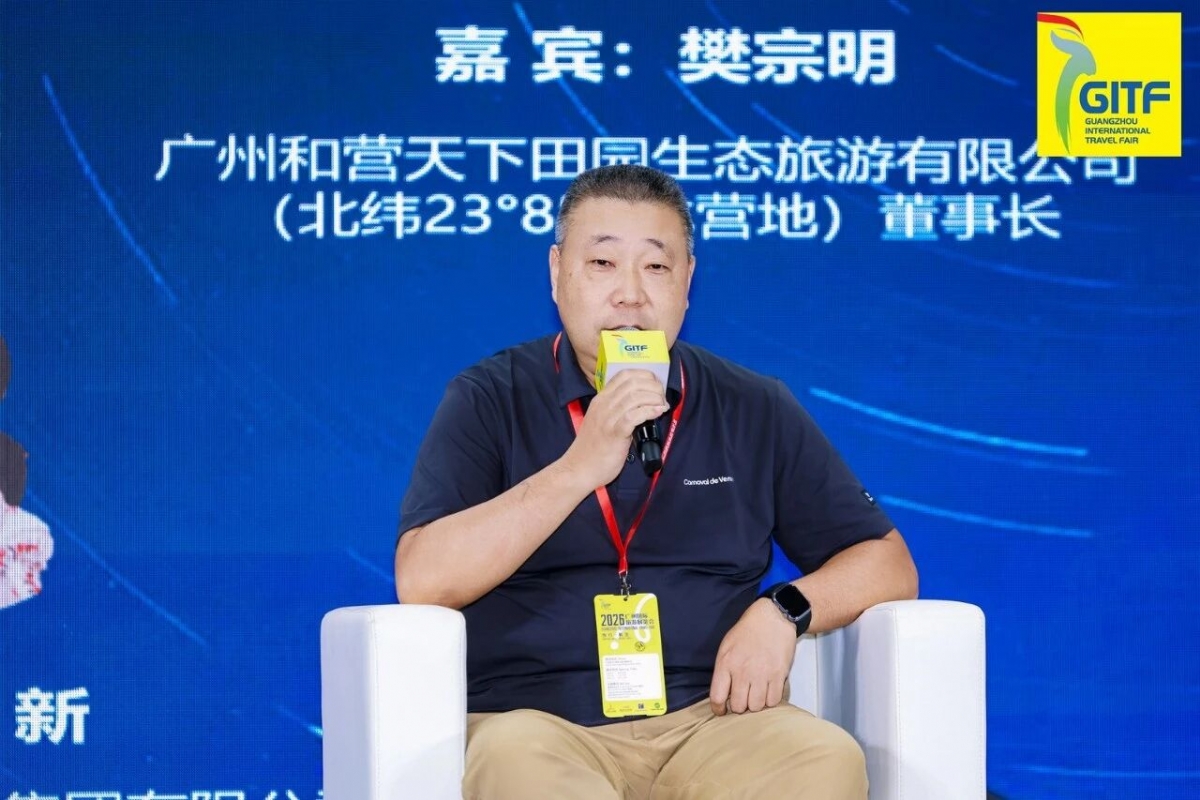
Fan Zongming, Chairman of Northern Latitude 23°8 Forest Camp
With perseverance and a commitment to his original vision, Fan Zongming, Chairman of Northern Latitude 23°8 Forest Camp, stated that since he had chosen this path, he would continue to persevere. He explained that to develop better products, the camp conducted in-depth research and analysis: “Based on national guidelines and the policies of educational authorities, we conducted market and school surveys to examine school curricula and teaching plans, as well as how products at other industry-based facilities are developed and operated.” He remarked that today’s children possess cognitive and emotional capacities far beyond what one might imagine, so it is even more important to provide students with significant emotional value and to maintain a spirit of collaboration and shared benefits with schools: “Since 2023, our visitor numbers have been growing year over year, and we are confident that we will reach 150,000 visitor visits this year and 200,000 next year!”
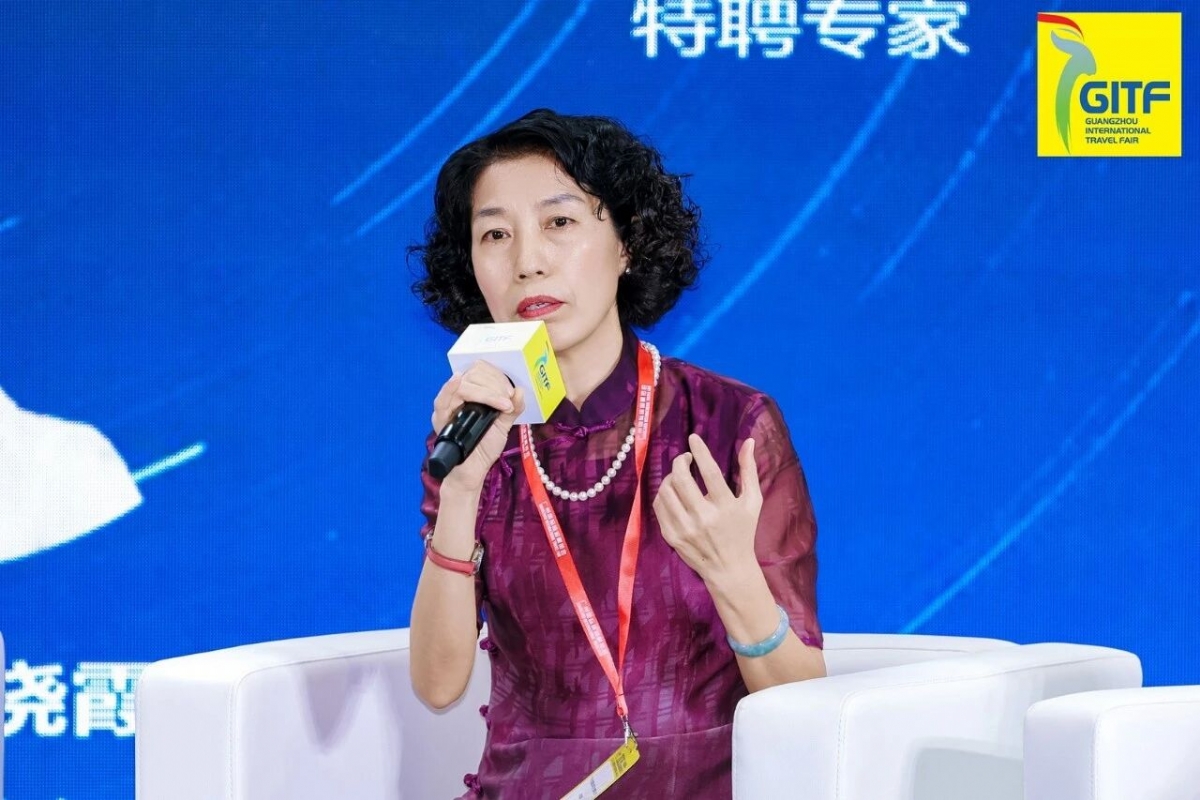
Xu Fengying, Specially Appointed Expert at Tianya Education Group
“Society is developing at a particularly rapid pace, and we encounter all kinds of unknowns and uncertainties, while the standards and requirements for talent development are constantly evolving. As an educational travel organization that shares the mission of nurturing students with families and schools, what should we do?” Xu Fengying, a specially appointed expert at Tianya Education Group, believes that the first step is to clarify our positioning: “We are here to serve children’s growth; we stand shoulder to shoulder with schools and families to nurture students together.” She introduced the Tianya Education Group’s proprietary “Three Circles, Eight Steps” curriculum development model and particularly recommended the “Superbrain Awakening Camp,” which is based on brain science research from Beijing Normal University. Through scientific training, the program enhances concentration and learning ability, achieving new breakthroughs in school-enterprise collaborative education.
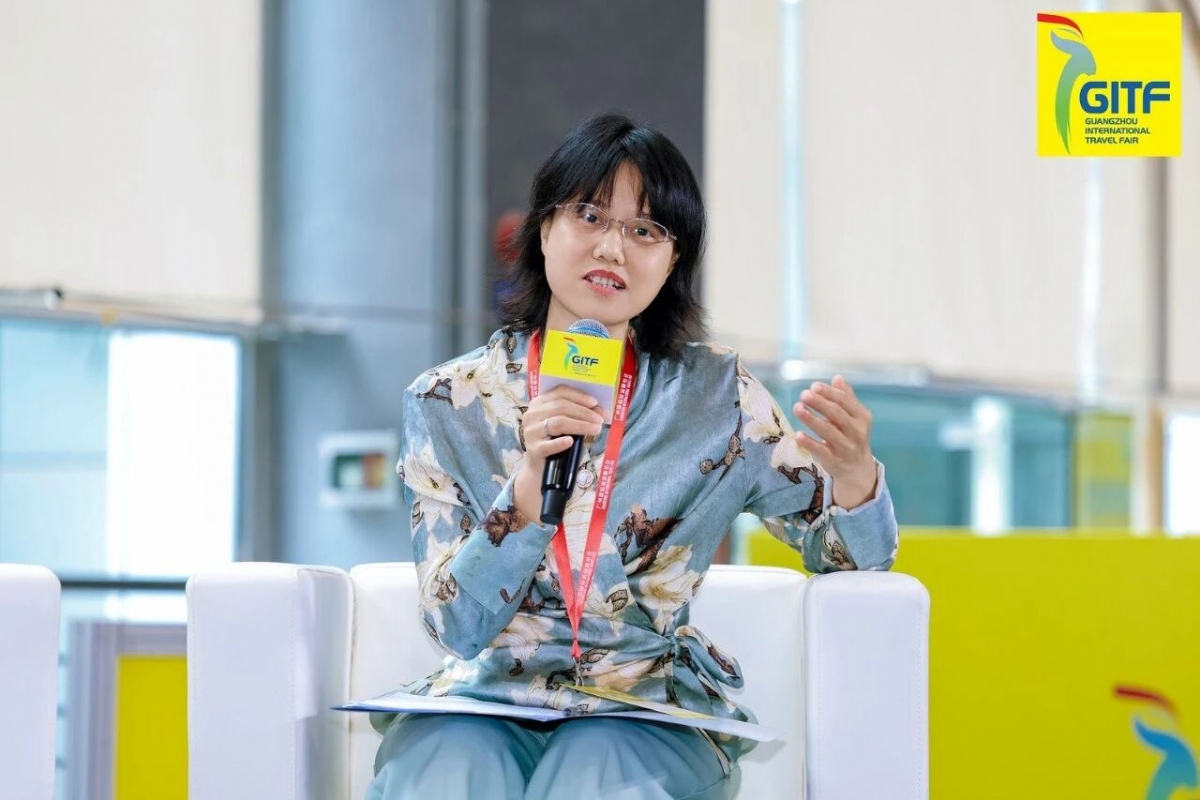
Wu Xiaoxia, seasoned study tour practitioner
Wu Xiaoxia, a veteran in the field of educational trips, directly pointed out the pain points in current collaboration: while the mechanisms appear standardized, in reality, schools let parent-teacher associations vote on educational trip plans, organizations substitute service for educational commitments, and educational trip sites are required to provide teachers with teaching certificates—leaving all parties trapped in a dilemma of “false collaboration.” She argued that this model will be unsustainable over the next three to five years; as AI drives educational reform, educational trips must move from “pretending to be clueless” to “genuine collaboration.” She called on all parties to “return to their proper roles”—with schools responsible for instructional decisions, travel agencies focusing on organization and transportation, and program sites returning to their educational core—and proposed establishing an educational “collaborative alliance” for educational trips. This alliance would work together to explain to parents why their children need educational trips rather than mere tourism, and why “whether it’s fun” cannot be the sole evaluation criterion, thereby jointly driving the high-quality development of educational trips through the most professional implementation.
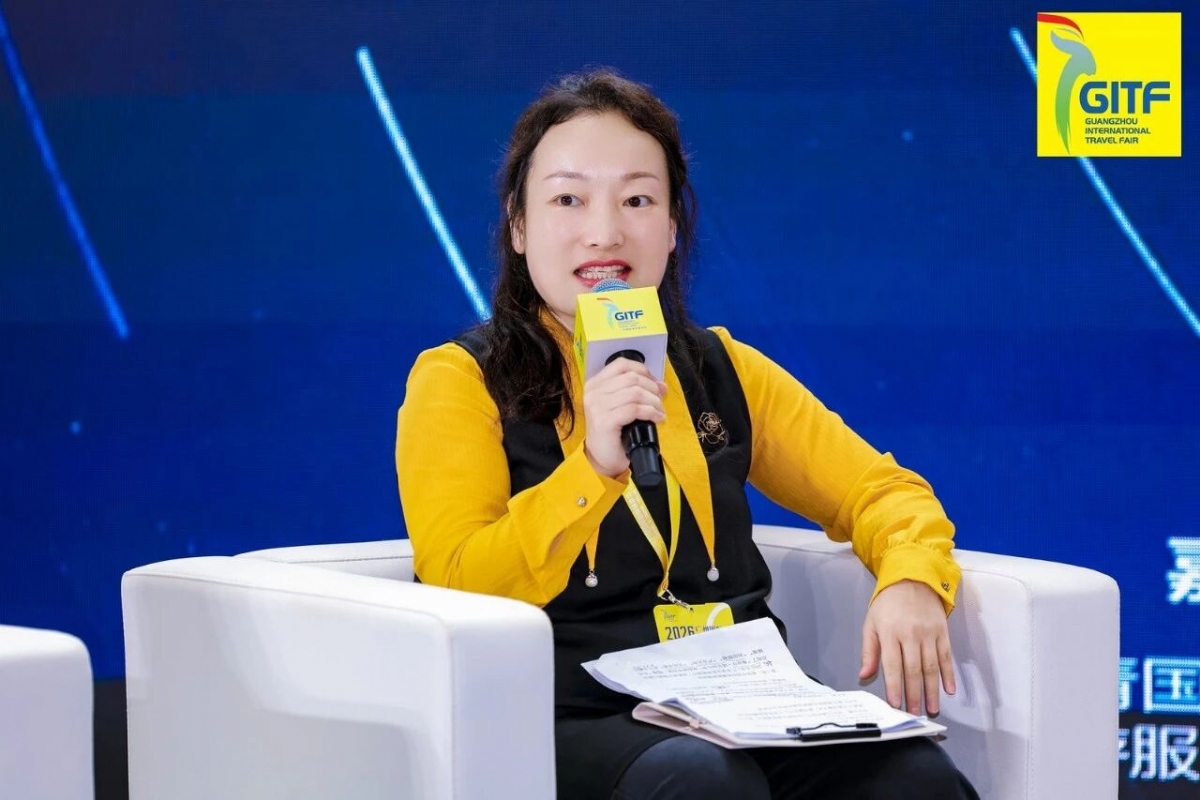
Zhao Xin, Deputy General Manager of Guangdong Tieqing International Culture and Tourism Group Co., Ltd.
Zhao Xin, Deputy General Manager of Guangdong Tieqing International Culture and Tourism Group Co., Ltd., believes that educational travel is a pressing need, that railways have a competitive advantage, and that policies provide support: “Now is the perfect time for educational travel!” Zhao Xin suggests that, in line with national policy requirements for digital and visual records for every student, Guangdong Province establish “educational travel credits,” incorporate educational travel into the credit system, and begin calculating the duration of educational travel from the moment students board public transportation. Drawing inspiration from the Guangzhou Railway Group’s “Shaoshan Journey” model—where educational trains travel to Shaoshan to host large-scale ideological and political education sessions, creating a complete learning chain of “classes on the train and lessons off the train”—Zhao noted: “Guangdong has revolutionary resources such as the Guangzhou Uprising Memorial Hall, the Whampoa Military Academy, and the Peasants’ and Workers’ Institute, making it entirely feasible to establish its own large-scale ideological and political education programs. We should normalize and standardize the practice of turning the journey itself into a classroom.”
@
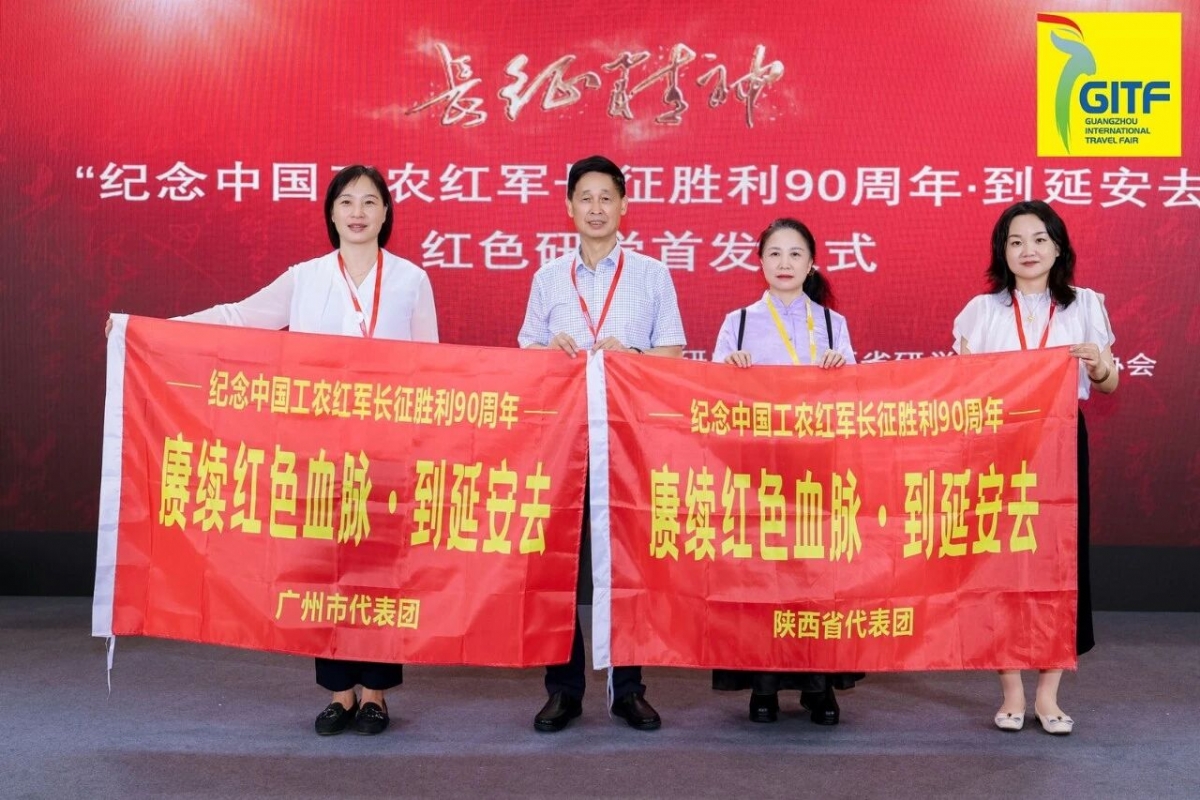
Red Study Tour - First Release
From Guangzhou to Yan'an: Retracing the Path of Our Original Aspirations
The forum also hosted the launch ceremony for the “Go to Yan’an” red educational tour, commemorating the 90th anniversary of the victory of the Long March by the Chinese Workers’ and Peasants’ Red Army. The Guangzhou Study-Travel Practice Association will collaborate with the Shaanxi Province Study-Travel Practice Education Association to lead children from Guangzhou to Yan’an, where they will reflect on their original aspirations and strengthen their moral character. It is reported that 14 red study-tour routes in Guangzhou were unveiled at the forum. These include two routes to Yan’an provided by the Yan’an Spirit Research Association, three red routes from the Baiyun Mountain Study-Tour Center, a six-day red route from Tianya International Travel Agency, two red routes from Bai Xing International Travel Agency, as well as the 41 red routes released last year by the Guangzhou Municipal Education Bureau—all of which were developed by fully leveraging social resources.
Educational tourism is not just a fleeting craze, but a matter of public trust. From standards to quality, from academic content to spirit, and from collaboration to innovation, we look forward to the industry adopting a more professional approach to create a future for the next generation that is truly educational and imbued with the warmth of culture and tourism.
Address: Room 1510, West Tower, Poly Trade Center, No.1000 Xingang East Road, Haizhu District, Guangzhou, China
 沪公网安备31011502400921