
Forum Review | Breaking into the “Value Deep Waters” of a Trillion-Yuan Market: The China Outbound Tourism Conference 2026 Opens New Horizons
2026-06-24
Even though the accelerating process of globalization may encounter obstacles such as regional instability, it cannot deter Chinese tourists’ desire to explore the world, nor China’s tourism industry’s eagerness to actively integrate into the global tourism landscape and further promote exchange and cooperation.
On the morning of May 22, one of the key events of the 34th Guangzhou International Travel Fair (GITF2026)—the “China Outbound Tourism Conference”—was held in the forum area of Hall 16.2, Area C, at the Canton Fair Complex. The conference adopted a broad, global perspective, with the theme “New Horizons: Balancing Identity, Storytelling and Partnerships.” It brought together official representatives from four major destinations—Sri Lanka, Nepal, St. Petersburg, and Almaty—and featured over 100 industry professionals who engaged in open discussion to collectively analyze the development path of China’s outbound tourism.
As China’s outbound tourism market accelerates its transition from a recovery in “volume” to a transformation in “quality,” 2026 is viewed by the industry as a critical turning point. According to relevant data, the number of outbound trips by mainland Chinese tourists is expected to exceed 180 million in 2026, while consumer spending at destinations is projected to climb to the $280 billion range. Among these travelers, the segment seeking “wellness” and “immersive experiences” is emerging as the key driver of market structural upgrades, thanks to their stronger purchasing power and longer stays. How to precisely break through in this trillion-level blue-ocean market and how to target the needs of this segment to reach the “value deep waters” have become the focal topics of this conference.
01. Elevating Value
Four Major Destinations Decode the Global Wave of the “Wellness Economy”
◆ ◆ ◆ ◆
From superficial sightseeing to in-depth exploration, the value of Chinese outbound tourism awaits further exploration by destinations. To answer this question, we must identify a key point at the heart of the matter: What exactly is the value of outbound tourism today?
Today, the value of overseas travel goes beyond simply “seeing the world.” As Chinese tourists venture to more countries and regions around the globe, for many who have long since traveled abroad to explore the world, the value of overseas travel has reached a higher level: how to achieve greater physical and mental well-being.
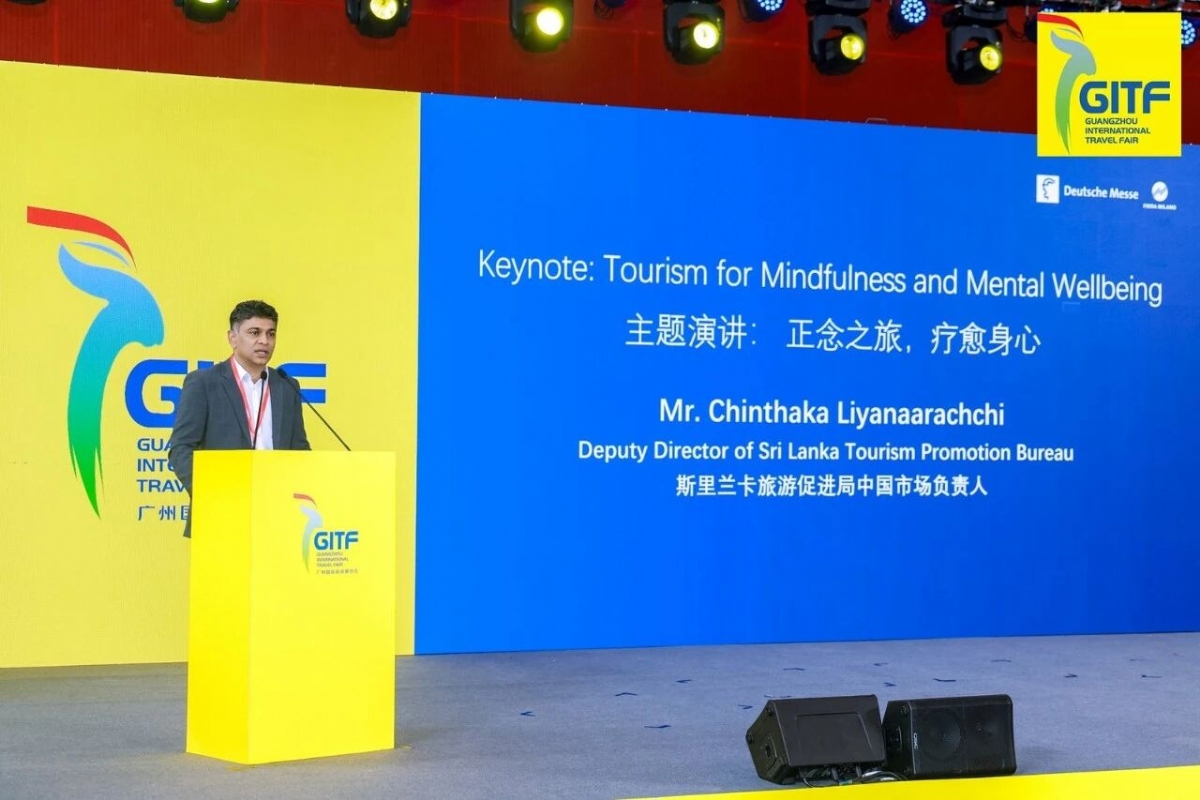
Deputy Director of Sri Lanka Tourism Promotion Bureau
Chinthaka Liyanaarachchi
At the start of the conference, representatives from the four major destinations took turns sharing their insights. Chinthaka Liyanaarachchi, Deputy Director of Sri Lanka Tourism Promotion Bureau, took the stage first. Speaking on the theme “Tourism for Mindfulness and Mental Wellbeing,” he shared Sri Lanka’s in-depth strategy for “mindful tourism,” a global trend. Chinthaka noted that with growing global awareness of mental health, mindful tourism has evolved from a “high-end niche” market to a “mainstream blue ocean.” By 2025, the global market for “mindfulness tourism” had reached nearly $1 billion, and it is projected to exceed $1.5 trillion by 2030. As a country with a deep-rooted Buddhist cultural heritage—where 76% of the population practices Buddhism—Sri Lanka possesses a natural advantage in developing Ayurvedic retreats, wellness centers, and meditation programs. These offerings not only better align with the core travel needs of future high-end travelers but also attract a clientele with relatively strong purchasing power, longer stays, and a greater willingness to spend. “We are committed to developing and offering this product to the world. I also invite neighboring destinations to join us,” said Chinthaka.
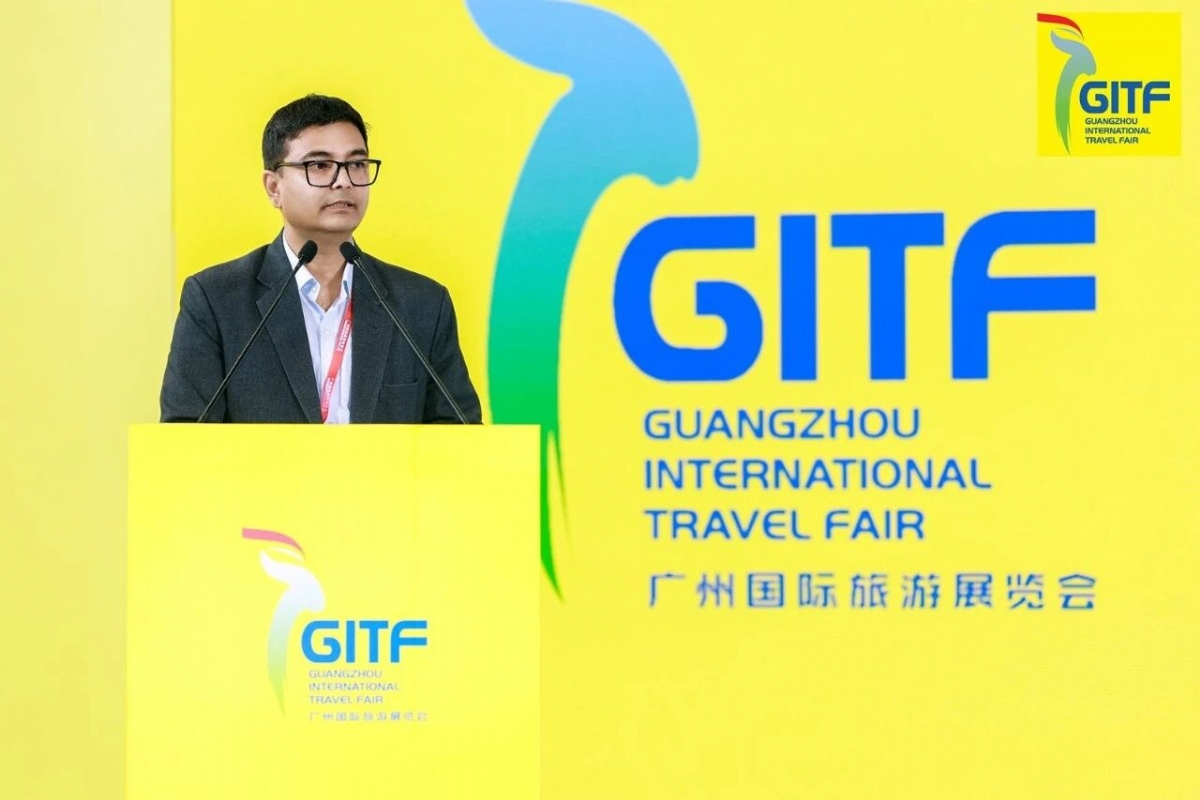
Senior Manager of Nepal Tourism Board
Bimal Kadel
Next, Bimal Kadel, Senior Manager of Nepal Tourism Board, defined Nepal’s new positioning as a “lifetime destination.” From the southern plains at an elevation of just 60 meters to the summit of Mount Everest at 8,848 meters, Nepal encompasses a rich array of ecosystems ranging from subtropical and temperate to arctic, while its more than 142 ethnic groups form a complex and diverse cultural tapestry. He explained that Nepal is home to eight of the world’s 14 peaks over 8,000 meters, with more than 25 percent of its territory designated as protected areas, providing habitats for 355 adult tigers and 750 rhinos. Building on these abundant resources, the United Nations has adopted the Nepalese government’s proposal to designate April 15 as International Health Day. In April, Nepal celebrated “International Health Day” for the first time, and 2027 has been declared the “Year of Health in Nepal.” Bimal expressed his hope to transform these truly world-class natural resources into a core competitive advantage in the high-end wellness and adventure tourism markets.
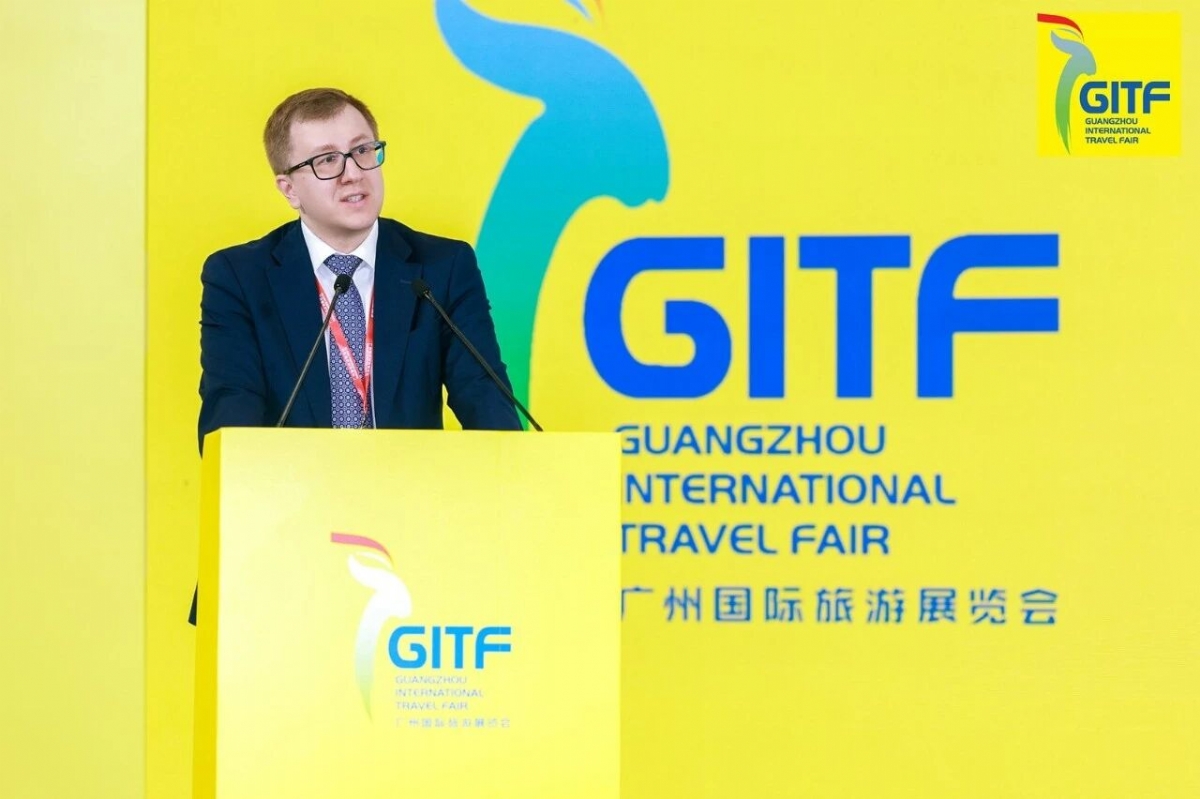
General Director of Saint Petersburg Convention Bureau
Sergei Azarenkov
As the “Northern Capital,” St. Petersburg has demonstrated remarkable appeal in the MICE sector in recent years. Sergei Azarenkov, General Director of the St. Petersburg Convention Bureau, stated that starting December 1, 2025, Chinese citizens will be able to enter Russia visa-free for stays of up to 30 days, with the policy covering a wide range of areas including tourism, business, exhibitions, culture, and education. As a result, St. Petersburg welcomed a total of 235,000 Chinese visitors in 2025, accounting for nearly 87% of all visitors from Asia. “Chinese tourists are our most important international visitor group. Eighty-five percent of them are interested in museums, theaters, and architecture. Their average per-visit spending is approximately 10,847 yuan, and they stay for an average of 5.5 days.” Sergei noted that, precisely because of the promising potential of the Chinese market, St. Petersburg has established information and business centers in Beijing, Shanghai, Nanning, and Qingdao since the fall of 2025. He also shared some good news: “An agreement was signed on March 13, 2026, to establish a similar center in Guangzhou.”
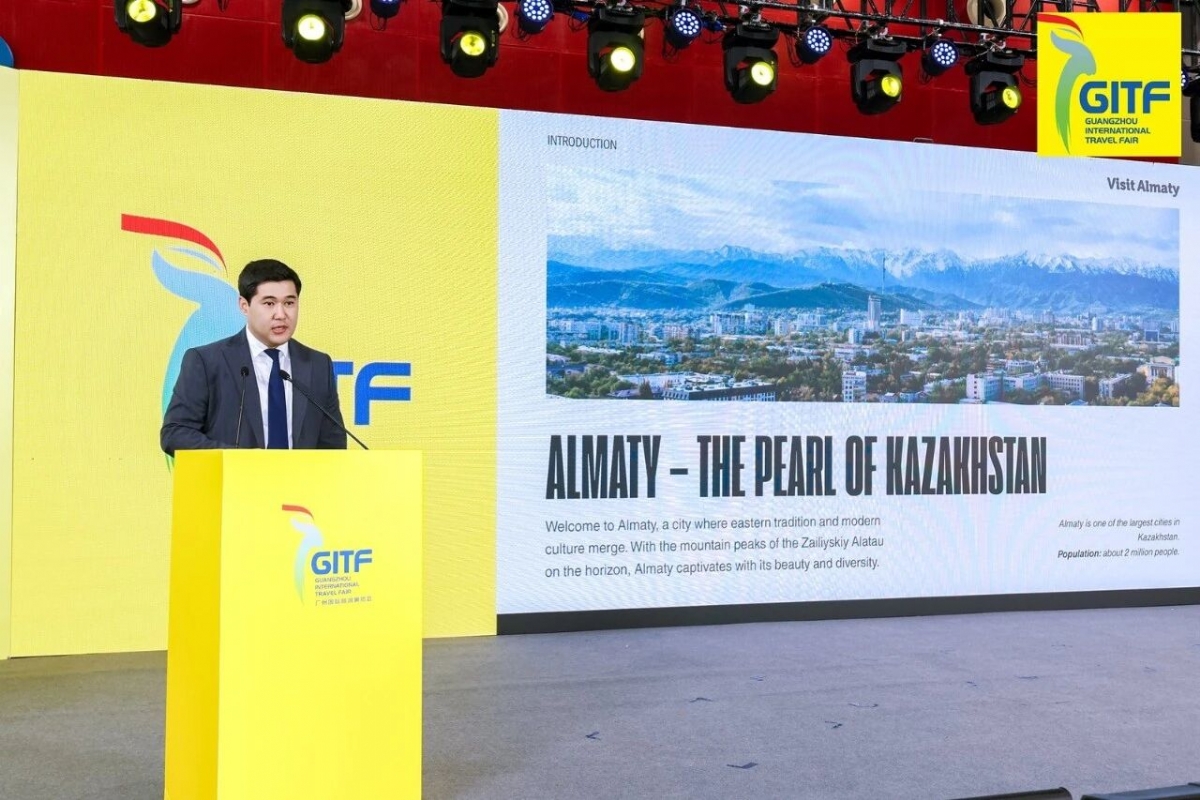
Head of the Tourism Promotion Division of the Almaty City Tourism Department
Abikhan Yerkebulan
For many Chinese tourists, Almaty is a new destination. What is the city’s promotional strategy for the Chinese market? Abikhan Yerkebulan, Head of the Tourism Promotion Division of the Almaty City Tourism Department, lifted the veil on this destination during the conference. In early 2024, *The New York Times* ranked Almaty as the 25th best travel destination globally—the only city in Central Asia to make the list. It welcomes approximately 800,000 international visitors annually, with a total visitor count of 2.3 million. Currently, Almaty is connected to China by approximately 60 direct flights per week. Thanks to its unique “city + nature” model, Almaty’s cultural and tourism resources are expected to reach a wider audience: “We have more than 55 museums and theaters, as well as eight national parks. The Charyn Canyon is one of Kazakhstan’s wonders, estimated to be 12 million years old. Lake Kaindy, Lake Kolsai, and the surrounding canyons are all nearby. We are also actively promoting ethnic camping sites—there are more than three ethnic cultural villages within the city,” said Abikhan Yerkebulan, noting that Almaty is a culinary capital with more than 3,200 restaurants and cafes. “We are actively involved in MICE tourism, inviting world-renowned stars to perform in Almaty every three months.” With the integration of elements such as conventions, exhibitions, and leisure tourism, Almaty is demonstrating strong appeal as a tourist destination.
02. The Path to Balance
Rebuilding a Destination’s Competitive Advantage Through Diverse Experiences
◆ ◆ ◆ ◆
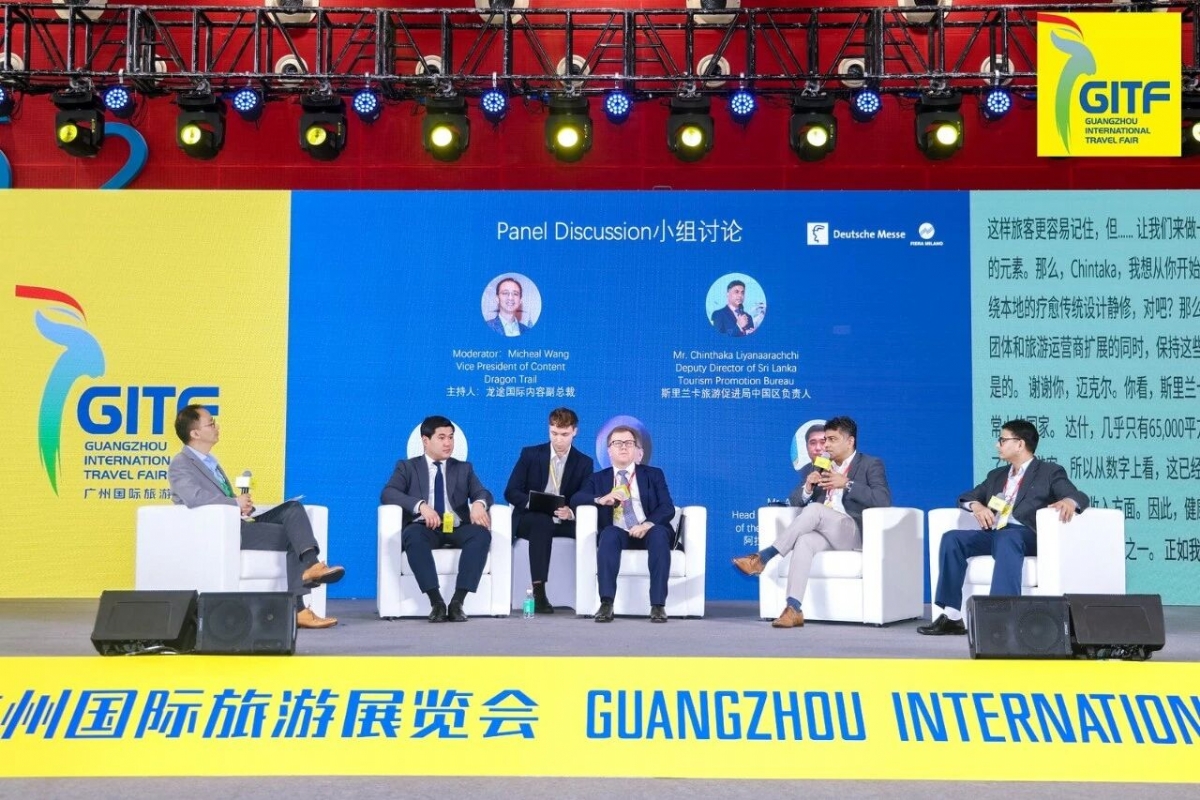
The presentations on various destinations not only painted a vivid picture of the local cultural and tourism landscape but also opened up new avenues for global tourism cooperation. During the roundtable discussion that followed, Micheal Wang, Vice President of Content of Dragon Trail, kicked off the conversation by posing the question: “How can we balance cultural identity with diversity?”
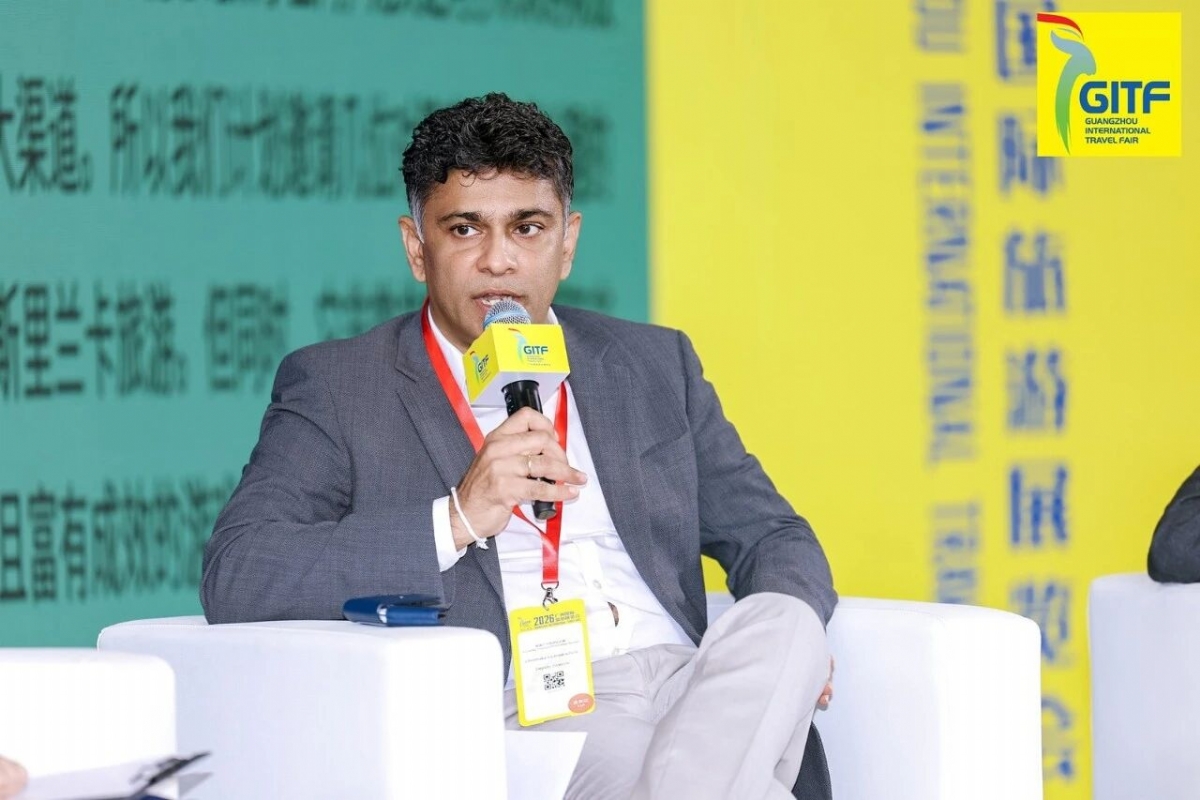
Chinthaka Liyanaarachchi, Deputy Director of Sri Lanka Tourism Promotion Bureau, noted that although Sri Lanka’s land area is only 65,000 square kilometers, the country welcomed 2.5 million tourists: “In terms of numbers, that’s already quite impressive, so our strategy is now shifting toward revenue generation. “Health tourism is one of our premium offerings. Since our capacity to accommodate international visitors is quite limited, quality must be our top priority. Our goal has always been to provide unforgettable, life-changing experiences that will make visitors want to return.”

Bimal Kadel, Senior Manager of Nepal Tourism Board, shared the secret behind their 40% repeat visitor rate: “Our market segments are diverse: nature tourism, cultural experiences, adventure activities, and specialty interests (such as wildlife and birdwatching). We work closely with industry partners to cover all these segments.” This is precisely a reflection of the high satisfaction levels resulting from their diverse product portfolio, which caters to all age groups and encompasses nature, culture, adventure, and specialty interests.

Sergei Azarenkov, General Director of the St. Petersburg Convention Bureau, noted that St. Petersburg has designed different products for different visitor segments: “MICE groups tend to focus more on conference facilities and business amenities, while leisure and cultural travelers are more drawn to museums, theaters, and the White Nights. The visa-free policy allows us to package our products with greater flexibility.”

Abikhan Yerkebulan, Head of the Tourism Promotion Division of the Almaty City Tourism Department, said that Almaty promotes both winter skiing and summer natural scenery, and the seasonal changes offer visitors many new experiences: “We are developing Shymbulak into the most popular ski resort in Central Asia. During the off-season (November through February), we organize new events, such as MICE tourism and concerts. In the summer, we focus on adventure travel.” It is through these efforts that Almaty has become a year-round destination.
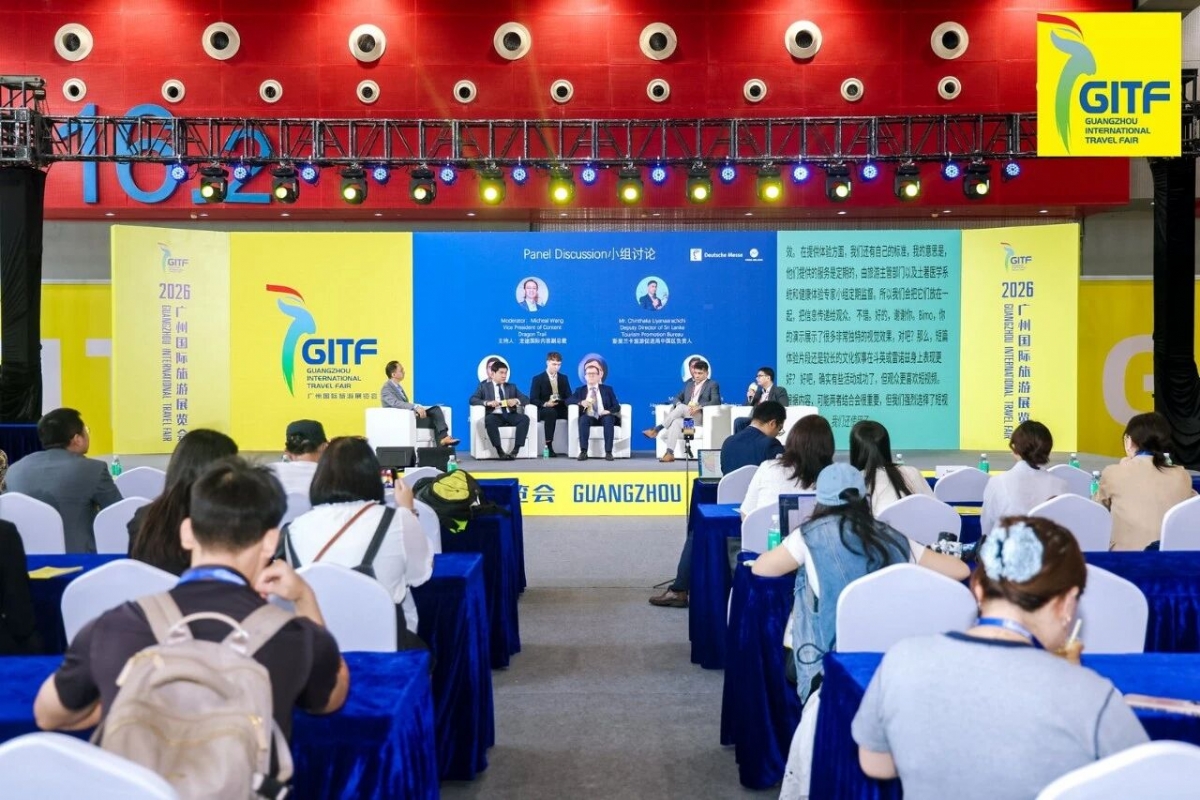
When discussing “policy support for Chinese travel agencies,” various destinations also demonstrated a substantive shift from “one-way promotion” to “mutual benefit and symbiosis.” Sri Lanka organizes two familiarization tips each year for the travel industry and media, while also holding roadshows in first-tier and new first-tier cities such as Beijing, Shanghai, and Guangzhou, and reaching more than 500 industry professionals annually through its online training system. Nepal, meanwhile, provides systematic training for local guides in hygiene, language, and even photography skills, transforming frontline guides into “walking brand ambassadors.” St. Petersburg and Almaty, on the other hand, have prioritized in-depth joint marketing initiatives with online travel platforms and airlines such as China Southern Airlines, creating efficient end-to-end conversion from traffic acquisition to product sales.
03. Digital Marketing
End-to-End Empowerment Through “Learn, Find, Do, and Connect”
◆ ◆ ◆ ◆
The conference also highlighted to attendees the transformative power of digital tools in destination marketing. Helen Zhong, Associate Director of B2B Marketing and Events of Dragon Trail, provided a detailed breakdown of digital solutions through four key scenarios: “Learn, Find, Do, and Connect.”
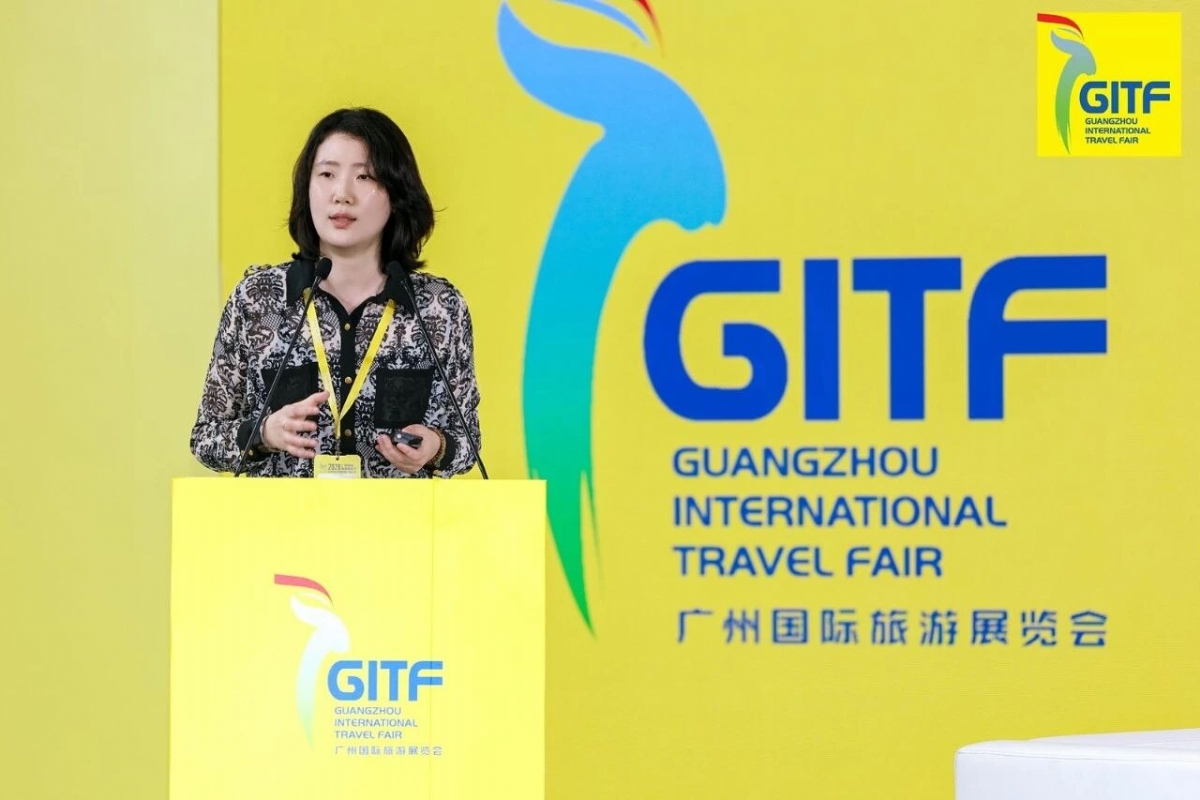
Associate Director, B2B Marketing & Events of Dragon Trail
Helen Zhong
Among these, the “Travel Micro-Classroom,” built on the WeChat ecosystem, integrates text-and-image courses, short video micro-lessons lasting just a few minutes, live-streamed instruction, and AI-powered Q&A, significantly lowering the training barriers and costs for travel industry professionals; the “Future Travel Expo,” a 24/7 online B2B platform, breaks down spatial and temporal barriers to help suppliers and buyers connect precisely and efficiently; The “Travel Trade Marketing Hub,” a one-stop solution ranging from a high-definition media library to inspiration for product customization, empowers travel industry partners to rapidly launch itinerary products; the “Event Workbench” digital roadshow management system efficiently integrates live stream invitations, smart translation, on-site interaction, and data collection, establishing a complete marketing loop for destination brands. This highly customizable, year-round digital toolkit attracted significant attention from travel industry professionals in attendance.
From experience to empowerment, this conference demonstrated to the industry that, in the new “value-driven” cycle of outbound tourism from China, only by grounding efforts in local culture, focusing on niche needs, and leveraging digital technology as a driving force can the industry rise to the top of the wave and steer the course through the shifting landscape of 2026.
【END】
Address: Room 1510, West Tower, Poly Trade Center, No.1000 Xingang East Road, Haizhu District, Guangzhou, China
 沪公网安备31011502400921