
Forum Review | Wellness Tourism: The Next Golden Decade for the Industry! GITF’s First Wellness Tourism Forum Sets Sail
2026-06-10
From Scenery to Experiences: How Can We Redefine the Value of Wellness Tourism? On the afternoon of Thursday, May 21, 2026, in the forum area of Hall 15.2, Area C of the Canton Fair Complex, the 34th Guangzhou International Travel Fair Theme Forum and the First Wellness Tourism Forum launched a fascinating and in-depth discussion centered on “wellness tourism.” This inaugural Wellness Tourism Forum brought together domestic and international industry leaders, cultural and tourism experts, and pioneers to jointly explore the future path and practical opportunities for health and wellness tourism, guiding the global tourism industry in its transition from the “sightseeing era” to the “quality of life era.” These in-depth insights also reflect how GITF, as a bellwether of the tourism industry, consistently maintains a keen eye for market opportunities. By taking the lead in the health and wellness sector, GITF is breaking new ground and setting sail for the industry’s value transformation—shifting from “scenery” to “experiences.”
01
Seizing Industry Opportunities
The First Wellness Tourism Forum Emerges in Response to Market Trends
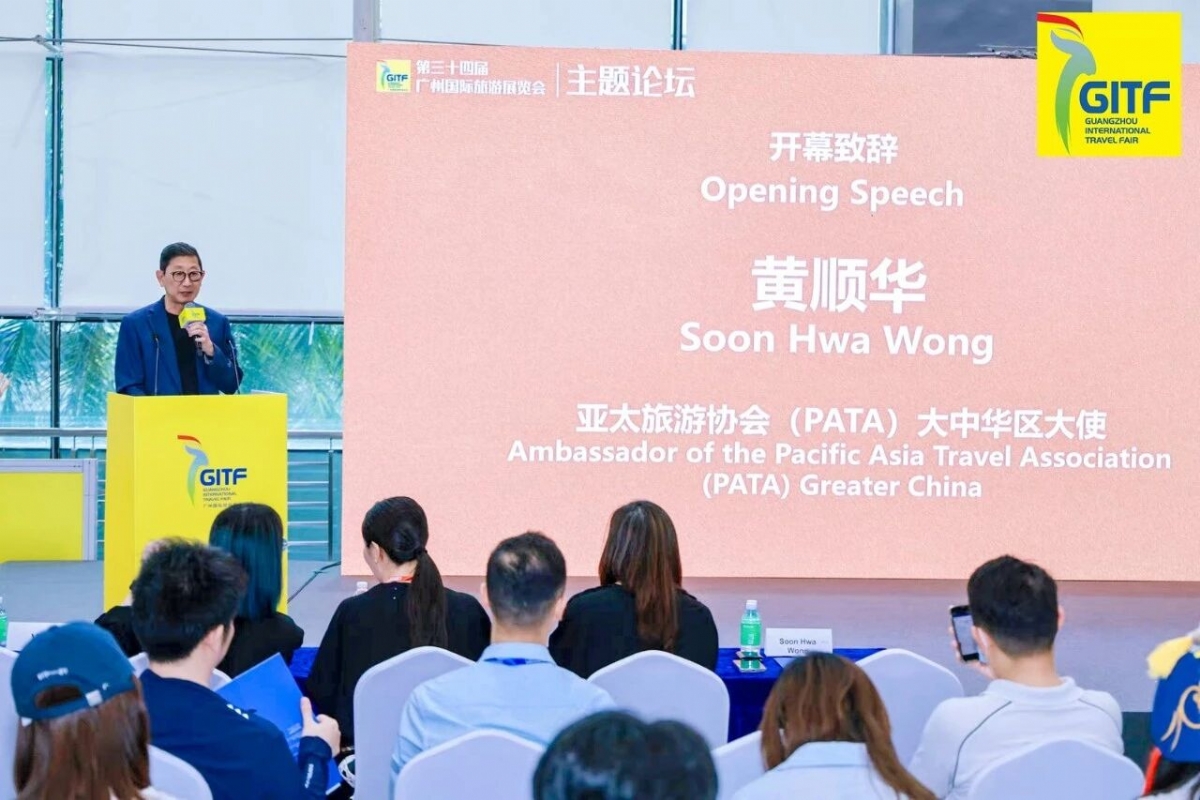
Ambassador of the Pacific Asia Travel Association (PATA) Greater China
Soon Hwa Wong
Driven by both the upgrading of tourism consumption and growing health awareness, wellness tourism is evolving from a niche market into a core sector. Currently, the global wellness tourism market is approaching a trillion-dollar scale, with the Asia-Pacific region leading global growth at a remarkable pace. As one of China’s longest-running and most influential comprehensive tourism exhibitions, the Guangzhou International Travel Fair has taken the lead in establishing a wellness-themed forum, demonstrating keen insight into and a forward-looking response to this structural shift.
“Today’s travelers no longer ask, ‘Where should I go?’ but rather, ‘How will this trip make me healthier, sharper-minded, more at peace, and more resilient in body and mind?’ ” Soon Hwa Wong, PATA Ambassador for Greater China, noted in his opening remarks that the rise of the “health and longevity” concept signifies a shift in the tourism industry’s core values toward life optimization. “The core competitiveness of the most successful travel destinations lies in authenticity, measurable health outcomes, sustainability, personalized experiences, and community benefits—not merely in visitor numbers,” Wong said.
In his remarks, Soon Hwa Wong cited two leading examples of wellness tourism: Thailand and Bali. Thailand has launched a national strategy called “Thailand Healing Journey,” centered on retreats, indigenous healing, and community engagement. A prime example is the Sang Kamphaeng Hot Springs project in Chiang Mai, which reinvests a significant portion of its profits back into the local community, demonstrating how wellness tourism can empower rural areas rather than exploit resources. Bali, recognizing that overcrowding undermines long-term value, is shifting toward a high-quality, low-volume wellness model. For example, COMO Shambhala offers personalized programs, insists on local sourcing, and trains local residents; it sells not merely accommodation, but a transformation of body and mind. “These two cases share four key success factors: longer visitor stays, higher spending power, a commitment to local supply chains, and measurable community benefits,” said Soon Hwa Wong, who believes China holds a unique advantage in this sector.
From “Healthy China 2030” to recent wellness policies, China has elevated health and wellness to a national strategic priority. Its strengths include world-class infrastructure, deep cultural traditions, diverse geographical landscapes, and a vast domestic market. Traditional Chinese medicine, tai chi, tea culture, and medicinal cuisine align closely with global longevity trends. Currently, China has seen the emergence of many notable examples, such as the Liushan Hotel in Qingcheng Mountain, wellness retreats in Yunnan, and tea and qigong wellness tours in Fujian. However, there is still room for improvement in the development of China’s wellness tourism. Soon Hwa Wong suggests that international tourists expect internationally recognized standards, quantifiable health outcomes, and a trustworthy certification system. China already possesses substantial resource endowments; the key to the next step lies in advancing internationalization and building trust.
“Wellness tourism is gradually becoming an integral part of people’s lifestyle choices. Destinations that succeed will inevitably combine authenticity, sustainability, measurable health outcomes, community benefits, cutting-edge technology, and a human touch. China possesses ancient wisdom and modern technological capabilities, while the world has accumulated rich experience in brand building and certification systems. The true opportunity lies in collaboration, not competition. By working together, Asia has the potential to become a global leader in sustainable, smart, and people-centered wellness tourism,” said Soon Hwa Wong.
02
Broadening Our Global Perspective
Exploring a New Philosophy of Wellness Together
Data shows that as of the first quarter of 2026, the global health economy was valued at over $6.8 trillion, surpassing the sports industry ($2.7 trillion), the tourism industry ($5 trillion), and the IT sector ($5.3 trillion). This is not merely a trend, but a structural shift, and Asia is at the heart of it all.
During the keynote session, two executives from leading international companies analyzed the underlying principles of wellness tourism from different perspectives. Doris Goh, Executive Vice President of Commercial Operations at COMO Hotels & Resorts, began by explaining the COMO Shambhala philosophy in simple yet insightful terms, and went on to share stories of how wellness tourism is put into practice at COMO.
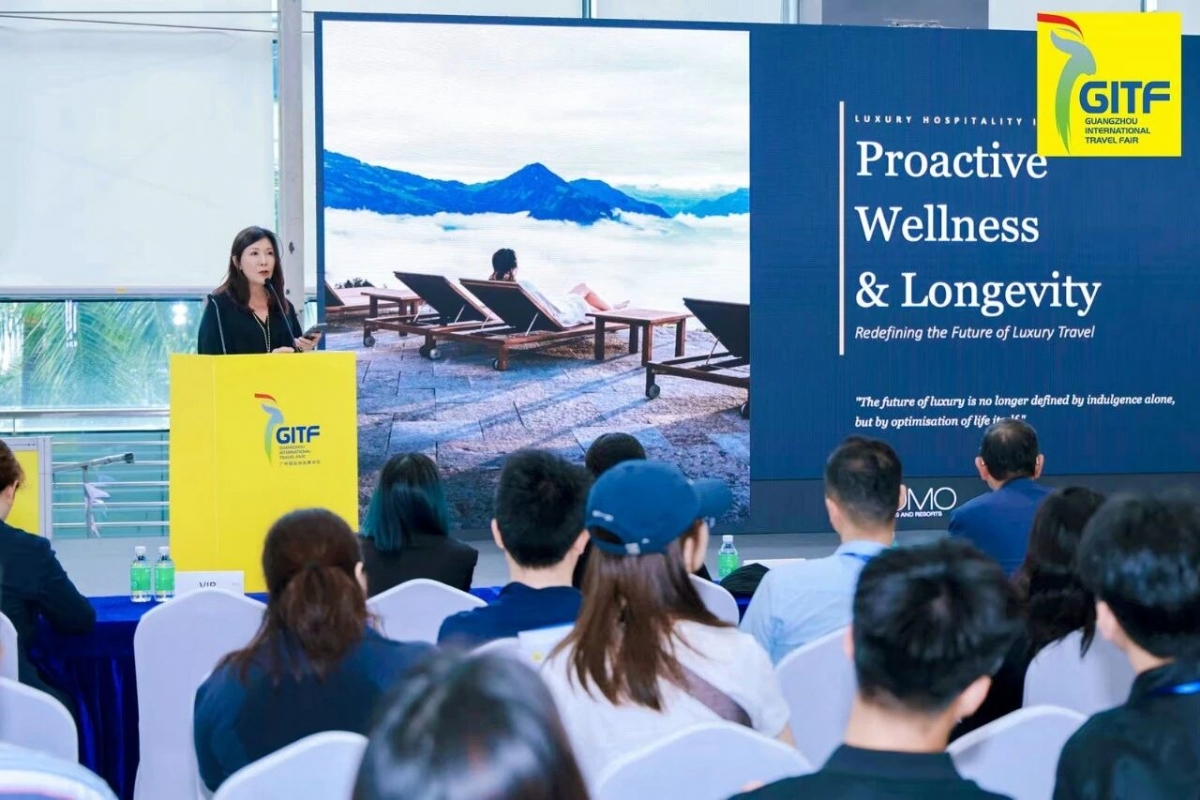
Executive Vice President of Commercial Operations, COMO Hotels & Resorts
Doris Goh
“Wellness is not an add-on; it is a philosophy.” She shared how COMO established Asia’s first hotel with a Cambridge Science-Certified Sleep Center in Singapore, emphasizing that technology should “disappear” to make way for intuitive and human-centered service. “Ultimate luxury is vitality, clarity, time, and the ability to live life to the fullest.” "Notably, as Asia’s first hotel with a Cambridge Science-Certified Sleep Center, all 156 guest rooms at COMO Metropolitan are dedicated to enhancing guests’ sleep quality. There is no additional charge; coming here is all about the sleep experience. The future guest journey is thus redefined—beginning even before arrival, filled with insight and intention; continuing during the stay with precision and personalization; and extending long after departure. “This is no longer a transaction, but an active relationship that has the potential to change lives,” said Doris Goh.
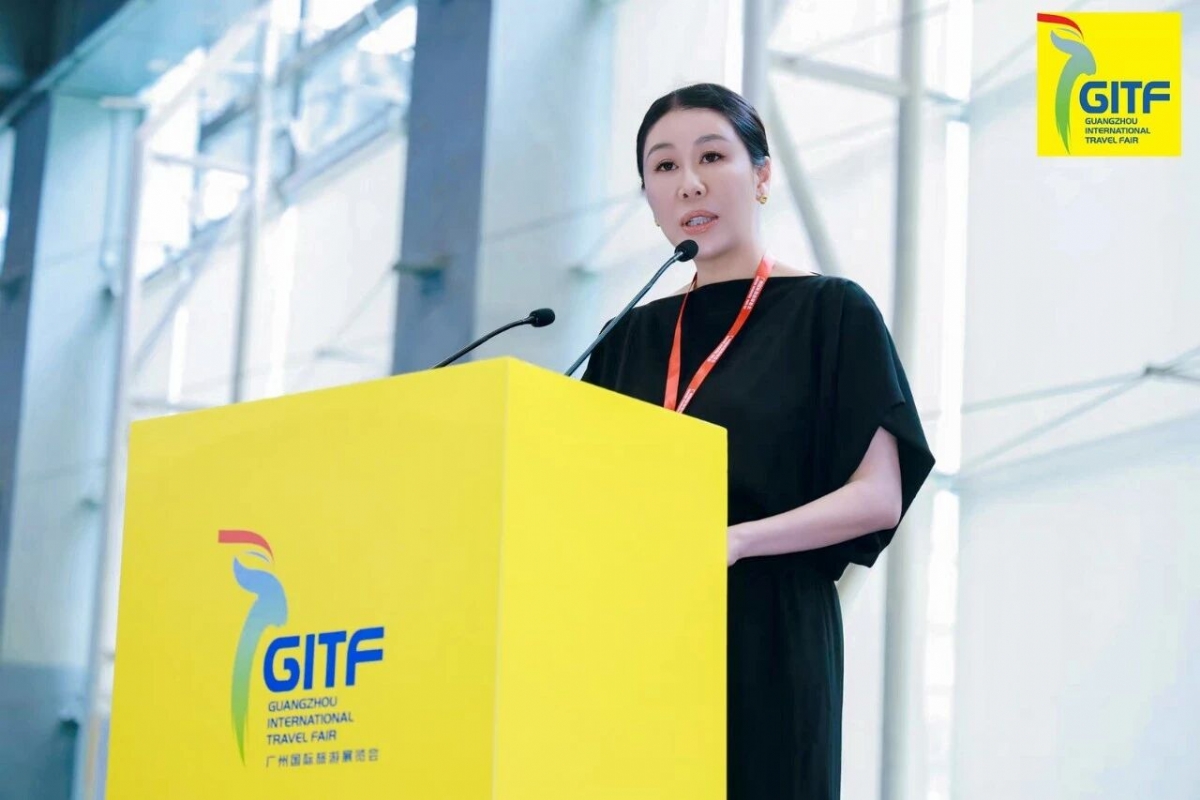
Chairman of Vitosen Technology Health Holdings Limited
Fanny Ng
Fanny Ng, Chairwoman of Vitosen Technology Health Holdings Limited, approached the topic from the perspective of “the rise of technology-driven health and longevity,” shedding light on the reasons behind the emergence of health and longevity tourism from a biotechnology standpoint. In her view, the star sector of the next decade will be the integration of regenerative medical technologies from the laboratory into travel experiences. “Tourism products are no longer just about comfortable accommodations and fine dining; they are about genuinely improving guests’ physical well-being and boosting their vitality,” she said. She believes that the future high ground for tourism “will no longer be the places with the most beautiful scenery, but those that most effectively revitalize and transform people; no longer mere check-in spots, but destinations for life experiences.” The seamless integration of technology and vacations will reshape the value chain of the health and cultural tourism industry.
At the forum, the guests were in strong agreement regarding the role of technology in empowering wellness tourism. “The future does not lie in artificial intelligence replacing human compassion, but rather in AI empowering and enhancing personalized services.” Soon Hwa Wong believes that the future belongs to destinations that can seamlessly integrate high technology with humanistic care. This trend echoes Fanny Ng’s concept of “technology driving health and longevity.” She argues that technology is no longer just cold, impersonal equipment, but rather a natural experience integrated into spa treatments, mindfulness meditation, nutritional diets, and sleep optimization. “Here, visitors don’t take home souvenirs; instead, they leave with improved physical well-being, a clearer understanding of health, and lasting lifestyle changes.”
This is precisely the essence of wellness tourism’s evolution from “scenery” to “experiences”: ensuring that every journey becomes a rejuvenation of the spirit. When the warmth of technology meets the depth of human connection along the way, wellness tourism ceases to be merely a niche category and becomes a new benchmark for measuring the good life.
03
Addressing Implementation Challenges
What Is the Future Path for Health and Wellness Tourism?
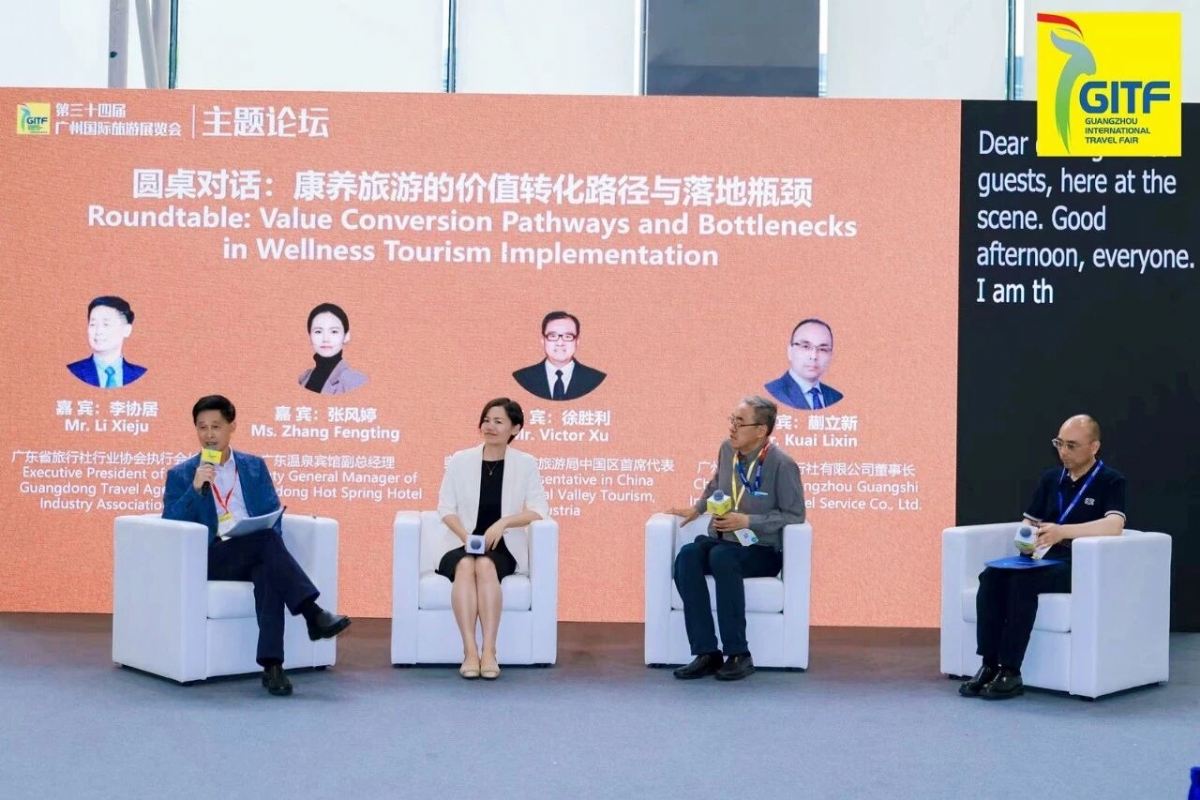
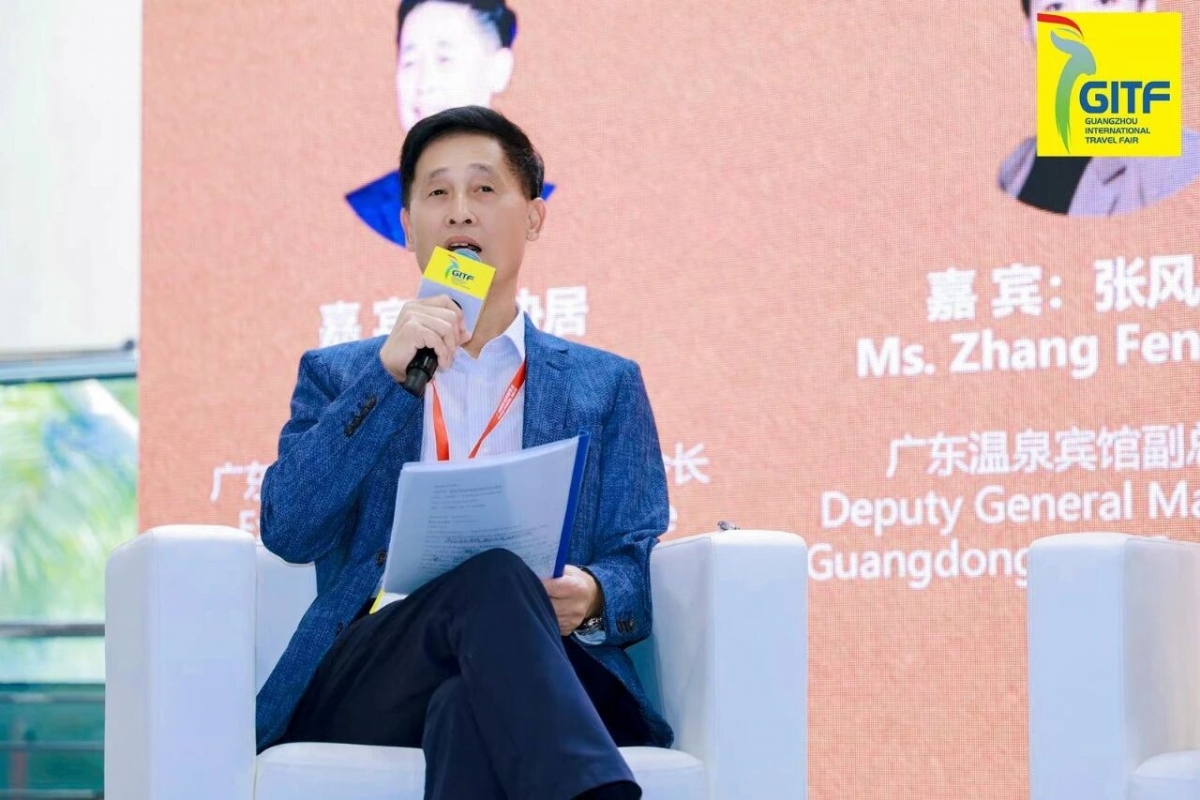
The roundtable discussion was moderated by Li Xieju, Executive President of the Guangdong Travel Agency Association. Victor Xu, Chief Representative for China at the Ötztal Tourism Board; Zhang Fengting, Deputy General Manager of Guangdong Hot Spring Hotel; and Kuai Lixin, Chairman of Guangzhou Guangshi International Travel Service Co., Ltd., engaged in a practical discussion on “Pathways for Value Transformation and Implementation Challenges in Wellness Tourism.”
“To be honest, China has no shortage of scenic spots—with its picturesque mountains and clear waters, hot springs, forests, and landscapes ranging from mountains and rivers to lakes and seas, the country is rich in resources suitable for wellness tourism. But what we lack is the ability to transform these landscapes into immersive experiences, turn visitor traffic into repeat business, and turn those experiences into products with lasting value.” Right from the start, Chairman Li Xieju laid out the “problem.” Where are the bottlenecks, and what is the way forward? During this roundtable discussion, the guests tackled the issues head-on, sparking a flurry of inspiration.
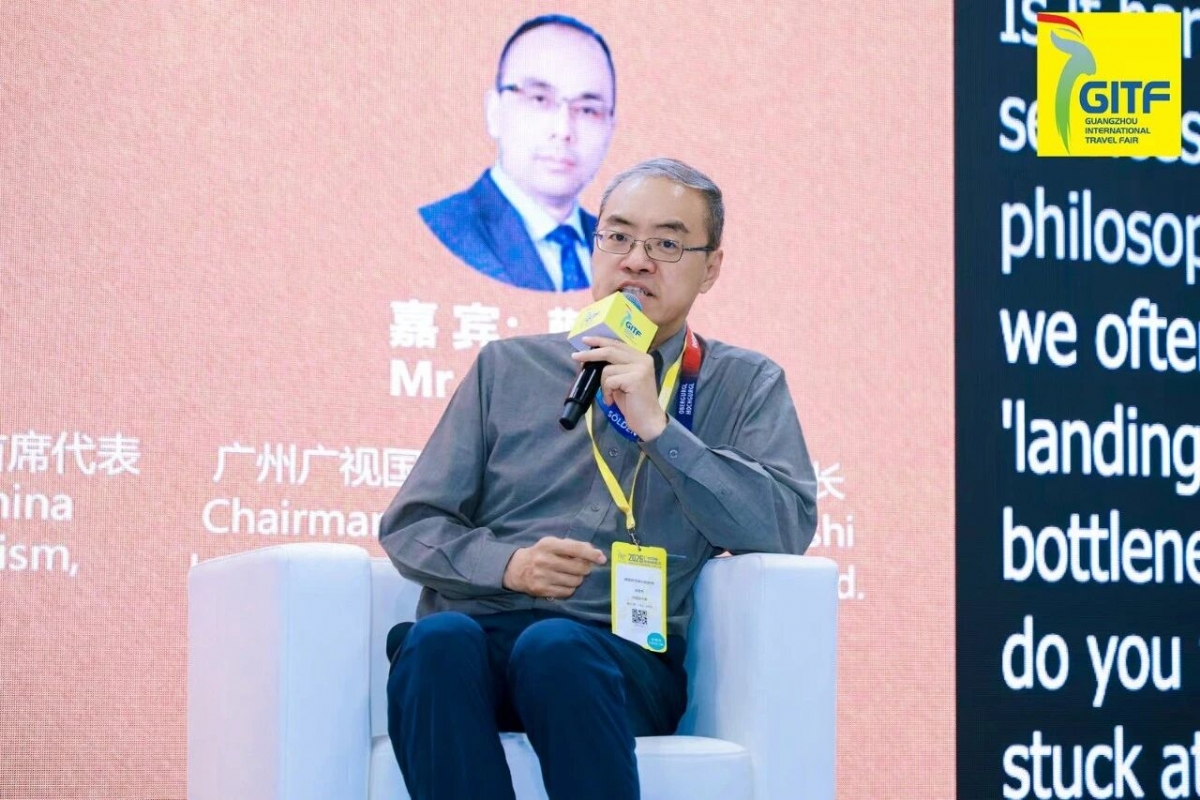
Victor Xu, Chief Representative for China, Ötztal Tourism Board
Drawing on nearly 20 years of experience serving the Ötztal Valley in Austria, Victor Xu highlighted the evolving landscape of wellness tourism in Europe. He noted that the trend is increasingly gaining traction among young and middle-aged adults as well as the middle class. “Wellness isn’t just about luxury hotels, high-end spas, or a change of scenery; it’s more of a philosophy that incorporates dynamic physical activities and health-focused technology. The future of global wellness tourism will be more accessible to the general public and more sustainable,” he said.

Zhang Fengting, Deputy General Manager of Guangdong Hot Spring Hotel
“Health and wellness is not a concept that emerged out of thin air; it is a process that deepens layer by layer, gradually generating higher added value,” Zhang Fengting candidly noted. She pointed out that while China’s current health and wellness sector—particularly in the area of hot springs—incorporates traditional Chinese medicine techniques and healthy diets, there remains a gap compared to Europe in terms of systemization and integration with medical care. In Europe, the therapeutic benefits of hot springs are recognized by hospitals, and doctors can prescribe “hot spring treatments.” “We need to move forward step by step in terms of product systems, demonstrating results, and promotion, while expanding our efforts in certification systems and policy development.”
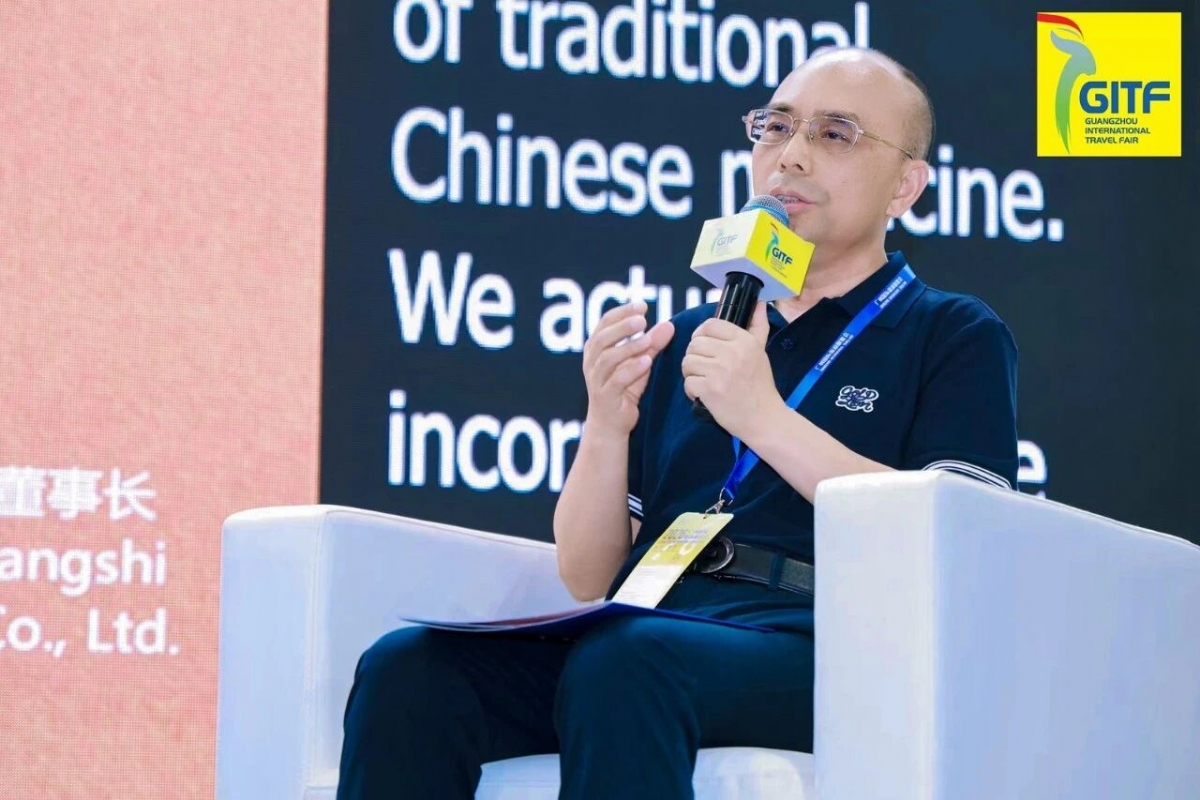
Kuai Lixin, Chairman of Guangzhou Guangshi International Travel Service Co., Ltd.
Kuai Lixin believes that, from a product design perspective, today’s wellness tourism is primarily based on natural resources such as hot springs, mountains, rivers, lakes, and the sea, as well as traditional Chinese medicine. He suggests that, on the product side, itineraries should incorporate scenic landscapes, picturesque attractions, and hot springs; on the customer side, since most guests do not fully understand wellness tourism, efforts should be made to promote a precise understanding of it; and on the pricing side, wellness tourism should be reasonably affordable—prices should not be too high—and must take into account the vast number of people who enjoy traveling.
Li Xieju, Executive President of the Guangdong Association of Travel Agencies
“Health and wellness tourism is not just a slogan; it is a genuine market need and a promising sector,” Li Xieju concluded. “The Chinese market is vast, and developing health and wellness tourism requires further effort. We must move beyond mere scenery to create immersive experiences, build a comprehensive system of products and services, and incorporate technologies such as AI and health monitoring. To effectively convert this potential into value, we need genuine collaboration among resource providers, channel partners, and service providers.”
04
Exclusive On-Site Benefits
Win a Luxury Hot Spring Wellness Package
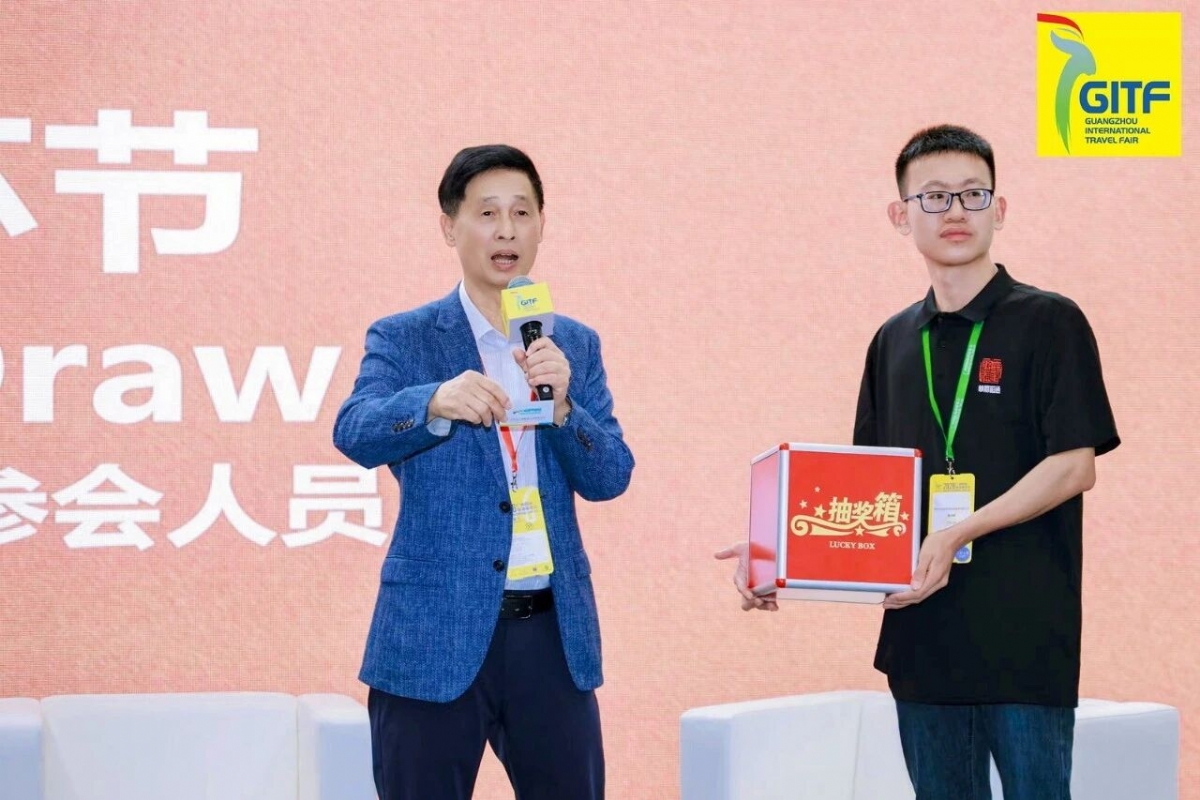
To thank the attendees, the inaugural Wellness Tourism Forum featured a special surprise raffle, exclusively sponsored by Guangdong Hot Spring Hotel: Grand Prize (1 winner): One night’s stay at Songyuan Forest Hot Spring Villa (valued at 4,699 yuan); Therapy Experience Vouchers (2 winners): Individual Traditional Chinese Medicine therapy session (valued at 899 yuan each). With immersive forest hot springs and professional TCM therapy, attendees could take this premium wellness experience right home! As winners collected their prizes on-site, they exclaimed, “I never expected to win a stay at the hot spring villa just by attending the forum—this trip was totally worth it!” As a long-standing benchmark for wellness in South China, Guangdong Hot Spring Hotel’s sponsorship not only demonstrated the company’s deep commitment to the wellness sector but also allowed participants to personally experience the charm of wellness—from scenic landscapes to immersive experiences.
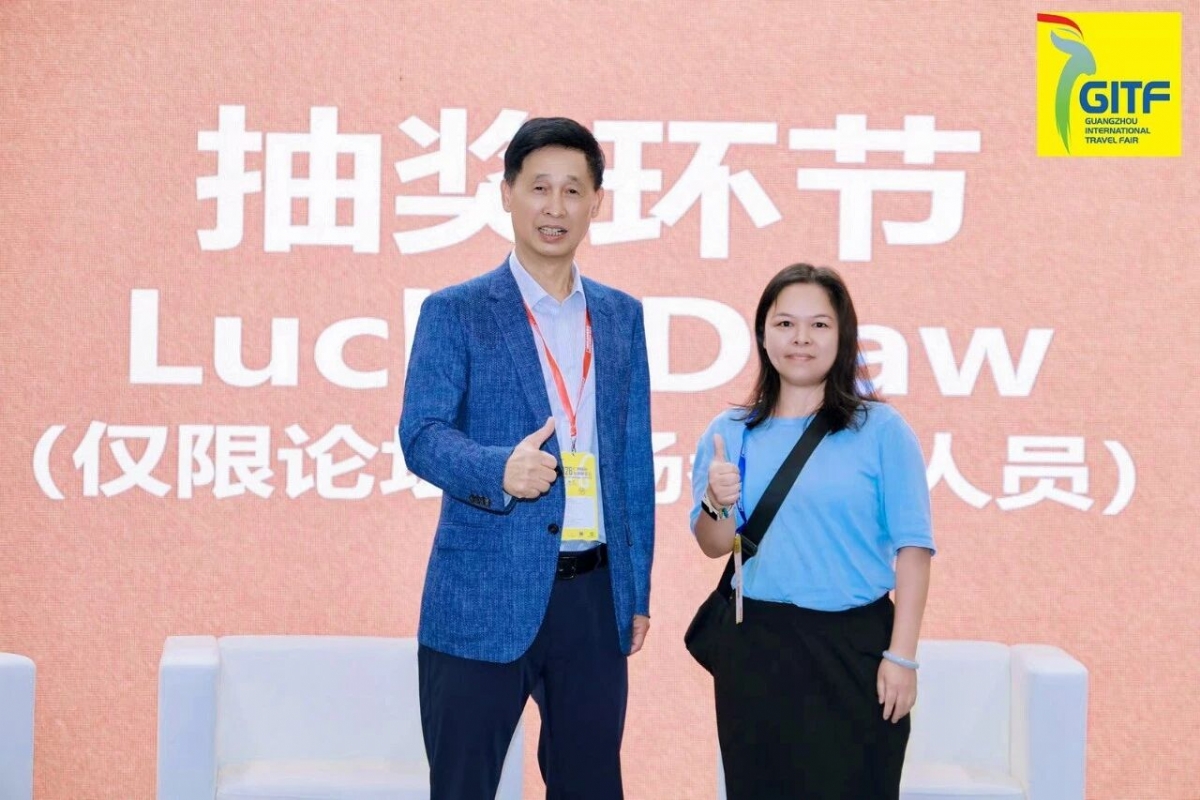
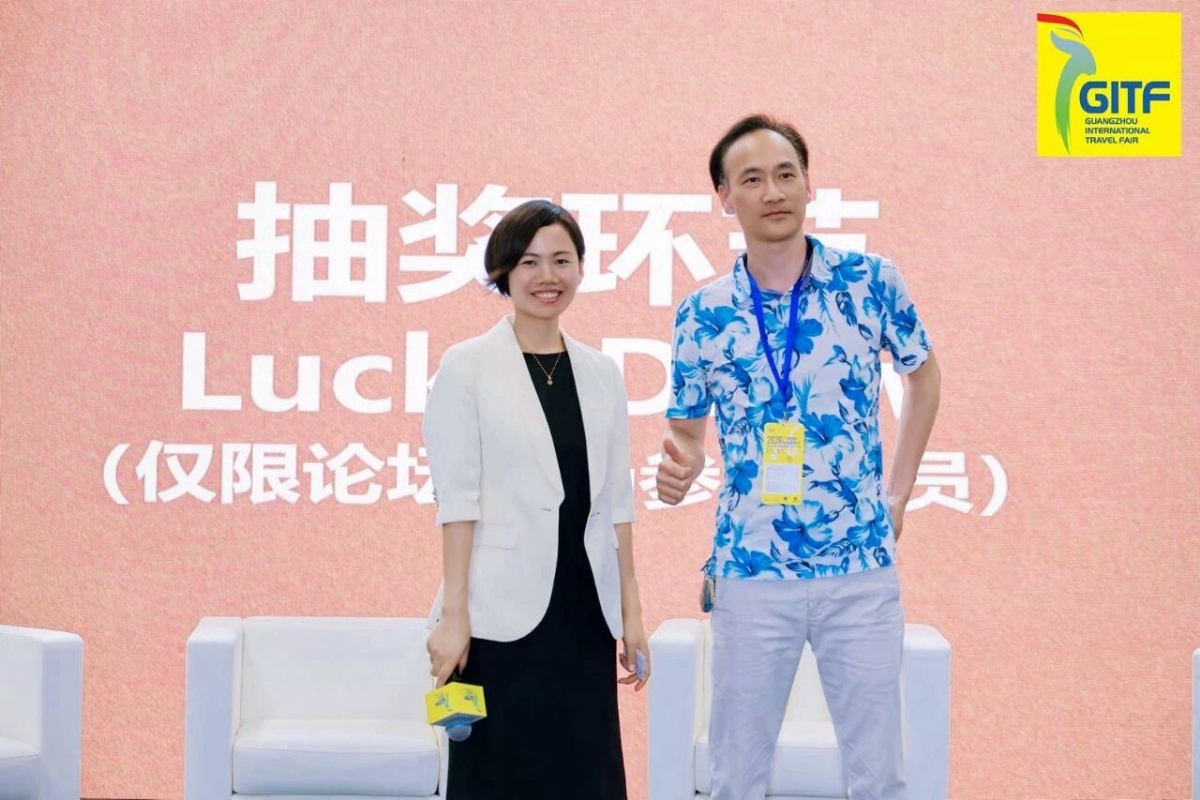
With the successful conclusion of the inaugural Wellness Tourism Forum, this year’s GITF has once again taken the lead in injecting new momentum—combining health, technology, and culture—into the global tourism industry. It is foreseeable that wellness tourism will become the most promising growth driver of the next decade. From scenic landscapes to immersive experiences, and from travel to personal transformation, this transformation has already begun.
【END】
Address: Room 1510, West Tower, Poly Trade Center, No.1000 Xingang East Road, Haizhu District, Guangzhou, China
 沪公网安备31011502400921